DTF Transfers: A Complete Guide to Quality and Durability
Discover how DTF transfers work, what makes them durable, and how to choose the right supplies for professional results.

Discover how DTF transfers work, what makes them durable, and how to choose the right supplies for professional results.
Discover how DTF transfers work, why blank choice matters, and how to pick the best blanks from Shaka Wear and Smart Blanks for durable, vibrant prints.
Learn how DTF transfers work, why they outperform other printing methods, and how to use them with popular blanks like Shaka Wear and Smart Blanks.
DTF transfers can look incredible or fall apart depending on a handful of small choices. Here is what actually matters, from fabric prep to final press.
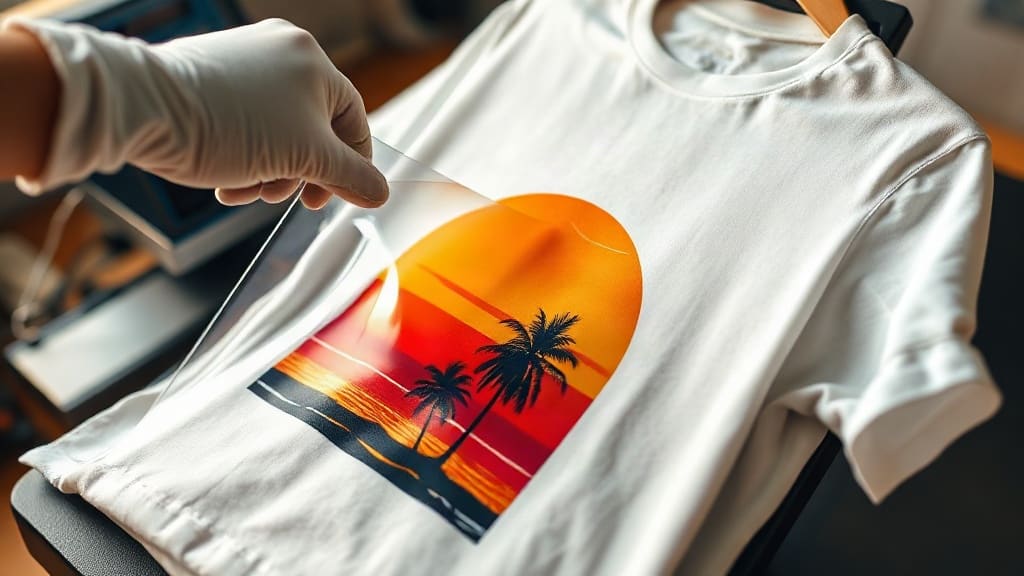
Master DTF transfers with our in-depth guide covering printer setup, film selection, powder application, curing, and troubleshooting for vibrant, durable prints.
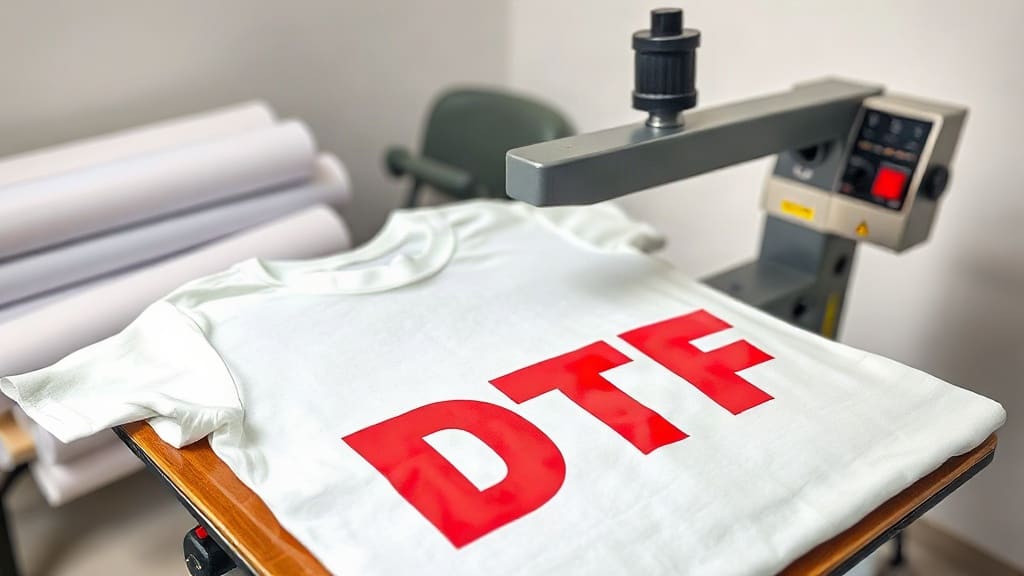
Discover how DTF transfers are revolutionizing custom apparel with vibrant colors, durability, and versatility. Learn the process, benefits, and expert tips.
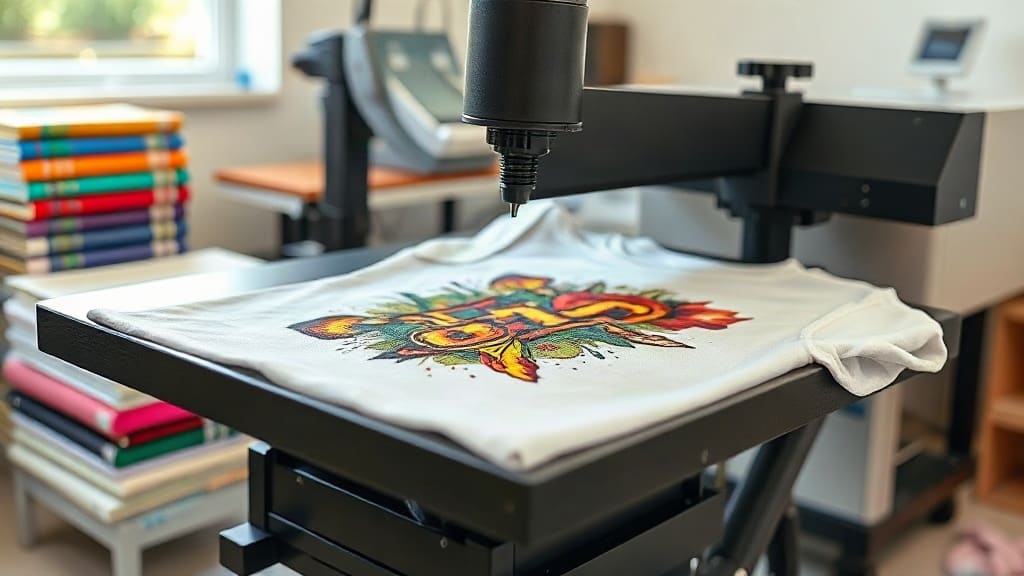
Learn how DTF transfers work, from design to pressing, and get practical tips for vibrant, durable results on any fabric.
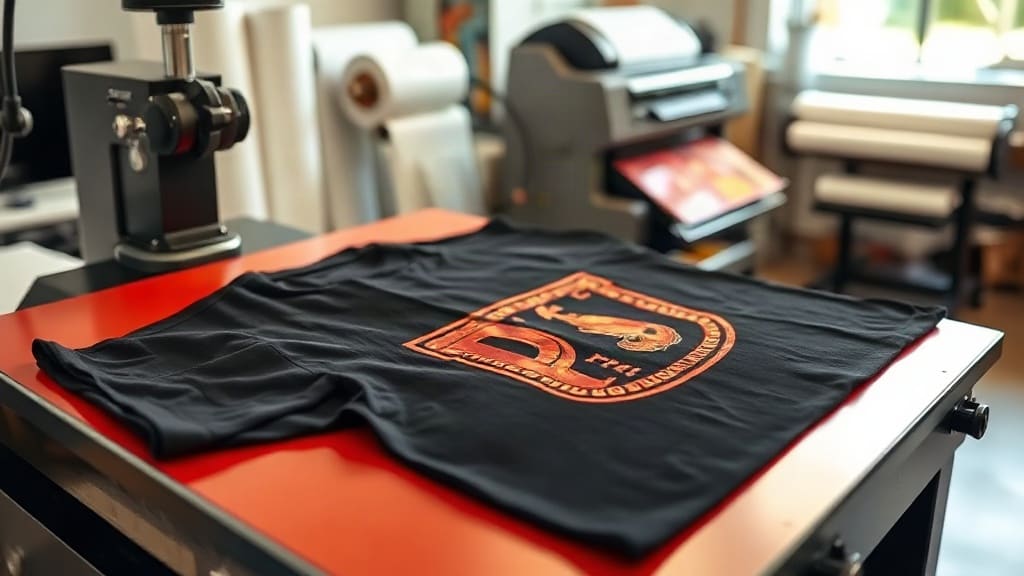
Discover how DTF transfers work, their advantages, and step-by-step application tips for vibrant, durable prints on any fabric.
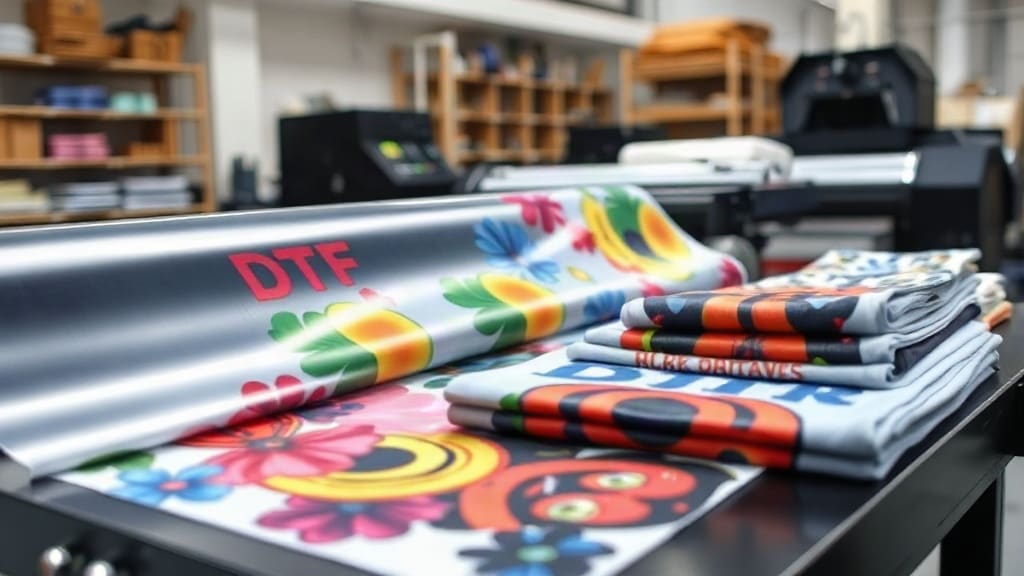
Looking for DTF transfers near you? This guide helps you find quality local providers, understand what makes a good transfer, and get the best results for your garments.
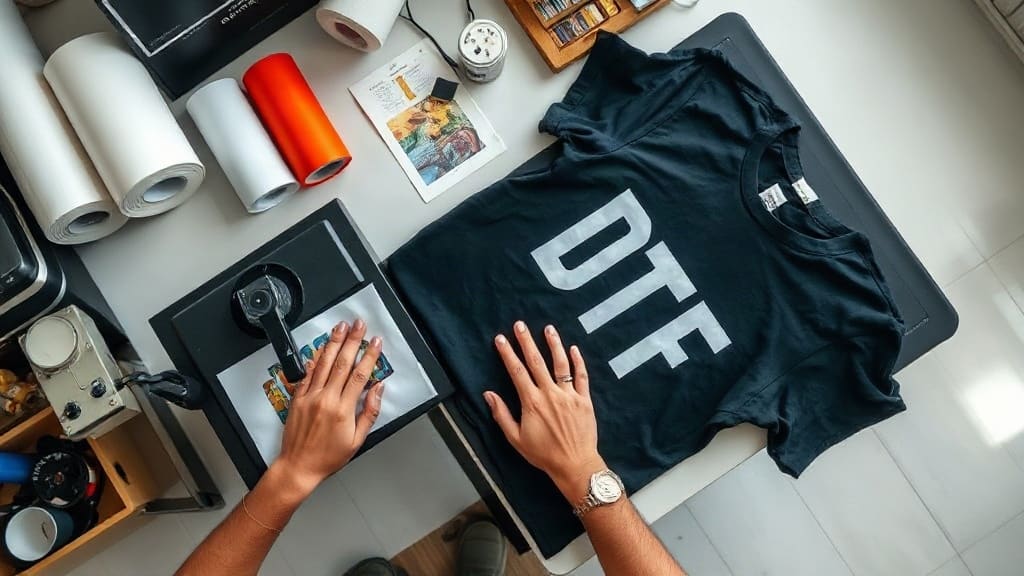
Discover everything you need to know about DTF transfers, from printing process to application, costs, and design tips. Perfect for beginners and small business owners.
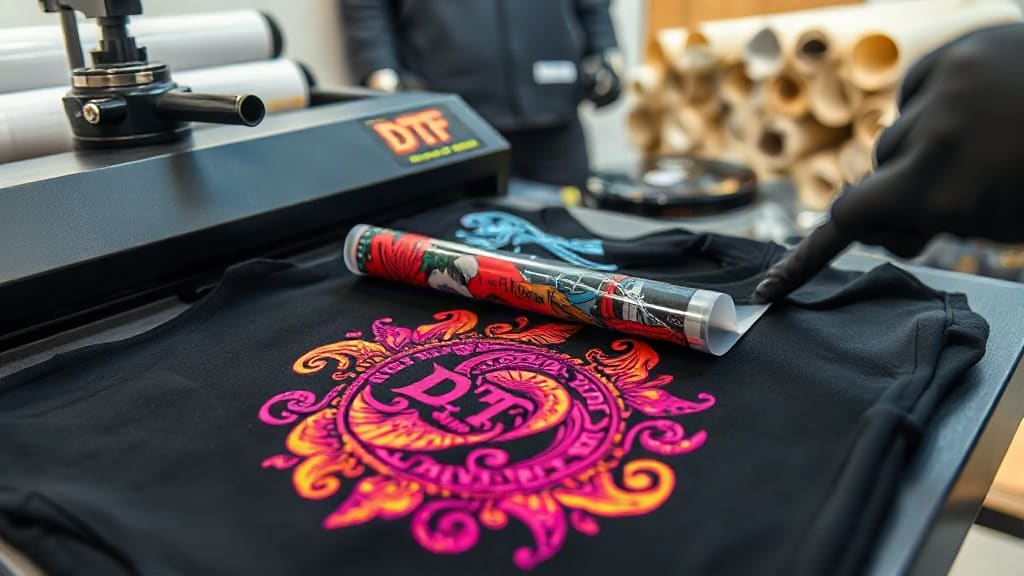
Discover how DTF transfers work, their benefits, and tips for achieving vibrant, durable prints on custom apparel. Perfect for beginners and pros alike.
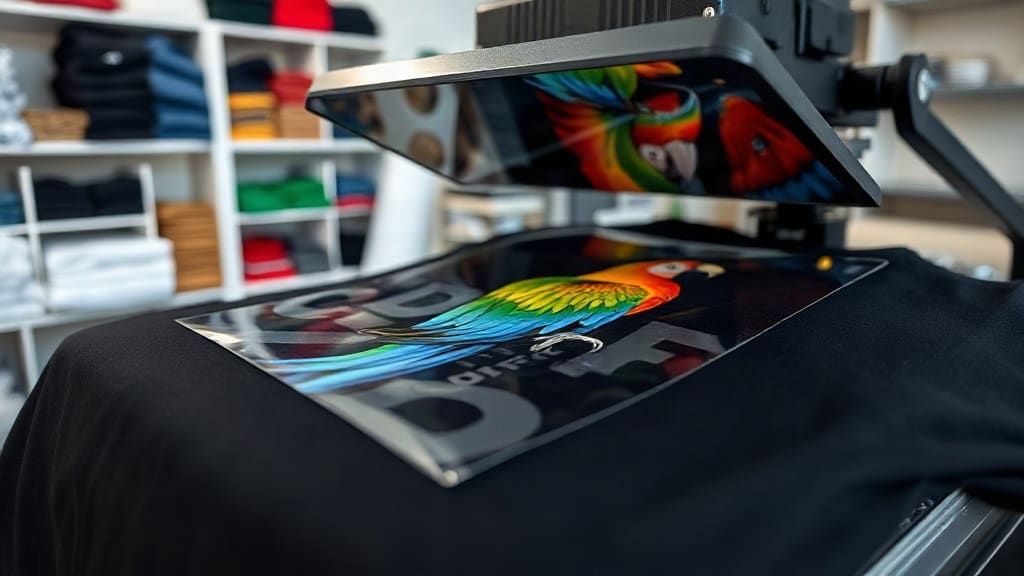
Learn everything about DTF transfers, from how they work to their benefits and application tips. Perfect for custom apparel printing.
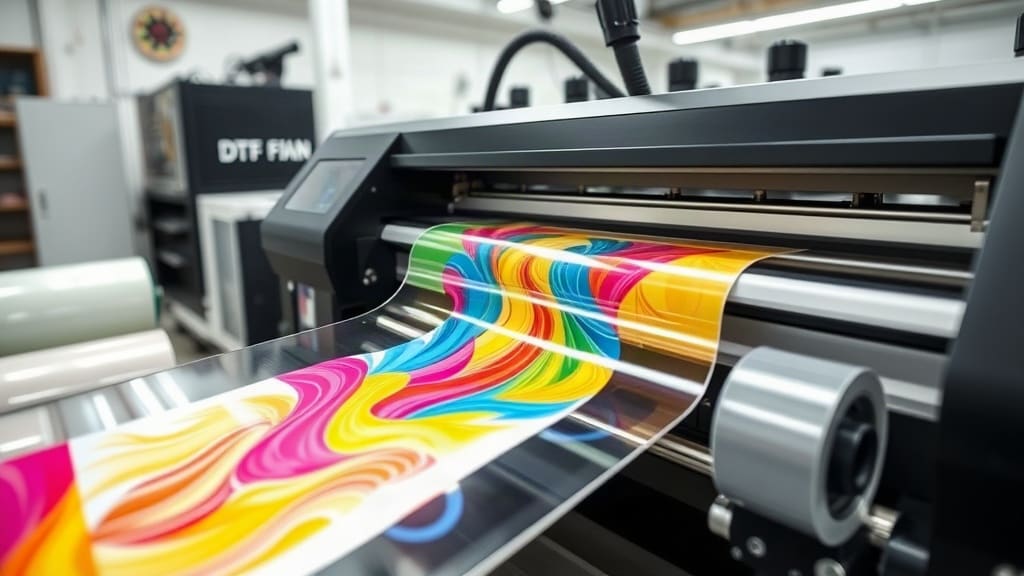
Discover what DTF transfers are, how they work, and why they're a game-changer for custom apparel printing. Learn tips for vibrant, durable results.
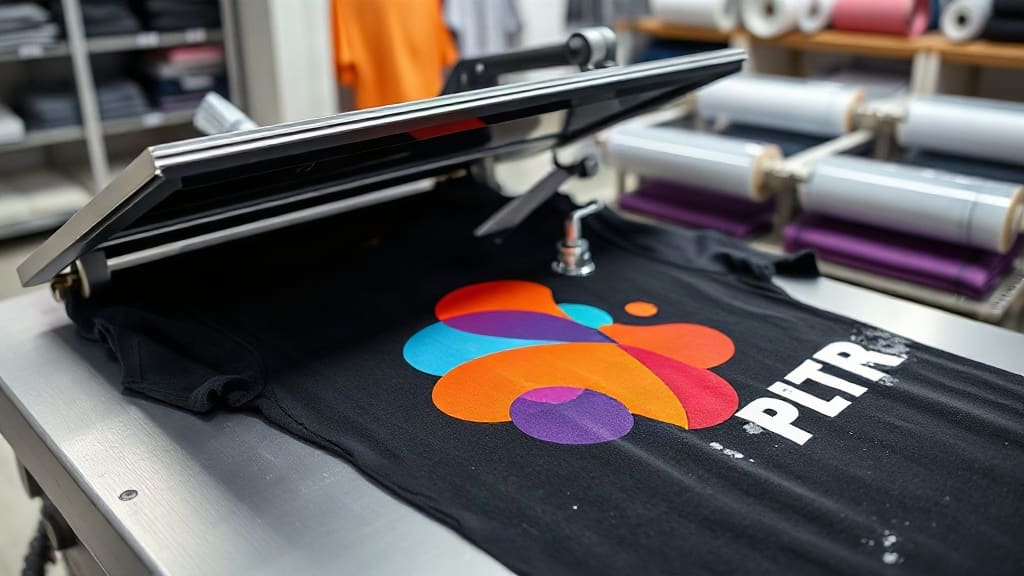
Discover the world of DTF transfers: what they are, how they work, their benefits, and tips for using them effectively in your printing business.
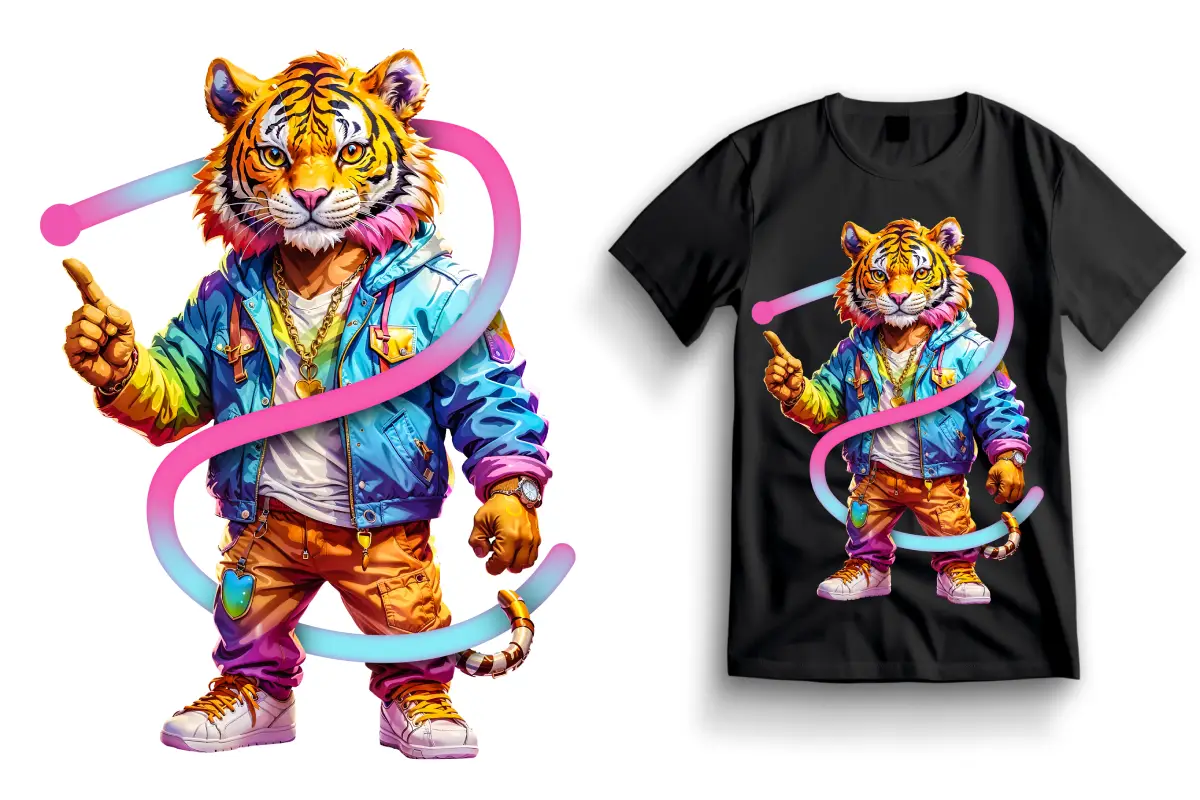
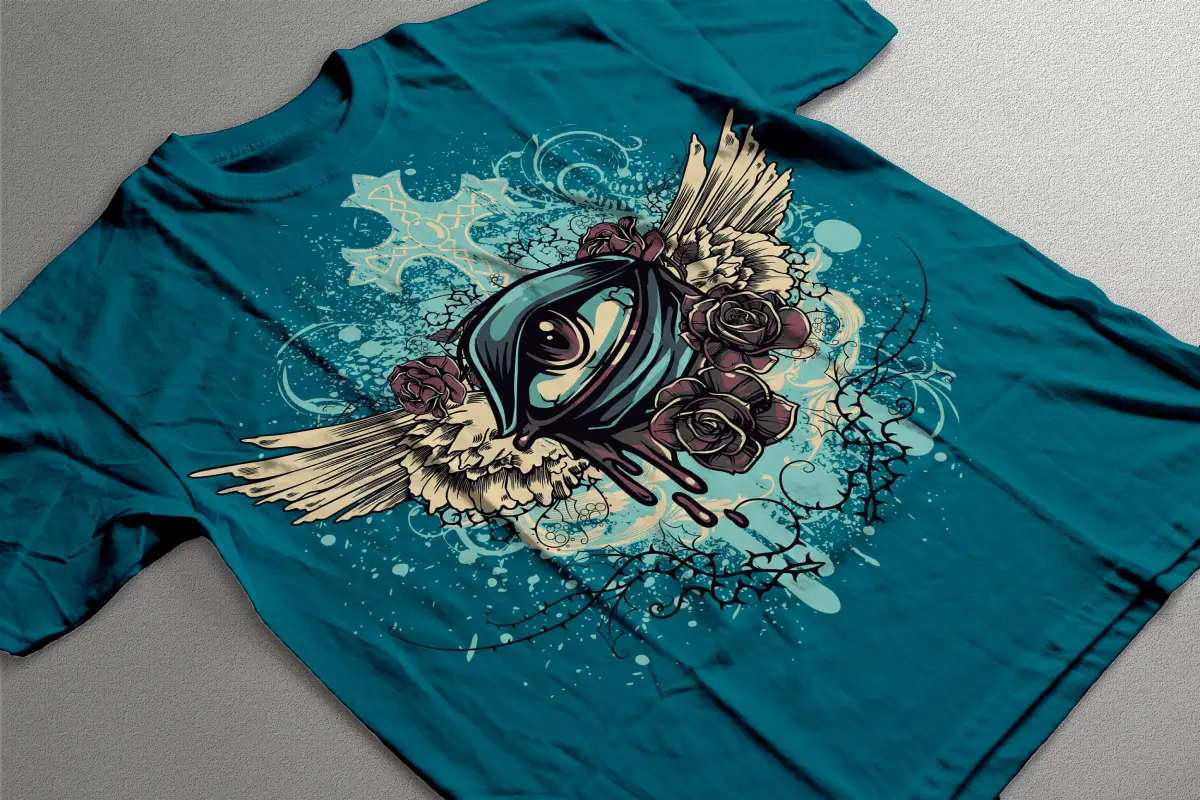
DTF transfers have emerged as a practical, scalable solution for small businesses looking to expand their product lines without prohibitive setup costs.Direct-to-Fabric printing offers a reliable, cost-efficient method for vibrant designs as more entrepreneurs explore small business apparel printing.
UV DTF transfer is revolutionizing how designers and brands customize apparel and drinkware, delivering bright, durable prints on everything from T-shirts to mugs.With vibrant color reproduction and quick-curing inks, this method blends digital flexibility with practical durability for small businesses and hobbyists.
DTF transfers have transformed garment decoration by delivering vibrant color, solid durability, and broad fabric compatibility.Understanding the DTF transfer process is key to mastering color fidelity on cotton, blends, and dark fabrics, while how DTF transfers work reveals how the white underbase improves brightness in direct-to-film transfers.
DTF transfers design ideas are transforming how creators, small brands, and hobbyists approach printed apparel.From vibrant color blending to intricate details, this method supports DTF transfers for apparel that stand out.
UV DTF Transfer Materials are the backbone of vibrant, durable graphics that push the boundaries of textile and hard-surface customization.Choosing the right UV DTF films, matching the UV curing for DTF transfers and the optimal UV curing temperature, and following a DTF transfer materials guide ensures crisp detail and strong adhesion.
UV DTF transfer offers a compelling path for garment decoration with bold color, a soft hand feel, and broad fabric compatibility.As a primer, it blends DTF printing basics with rapid curing, enabling small runs and quick turnarounds for designers and shops.
DTF transfers have transformed how designers and hobbyists approach custom apparel.Short for direct-to-film transfers, DTF transfer printing blends vibrant color reproduction with a soft hand feel that traditional methods often struggle to match.
UV DTF transfer is redefining how designers print on fabrics, delivering bright colors, sharp detail, and a soft hand feel.This UV DTF transfer printing method blends the precision of direct-to-film with UV-curable inks to achieve vibrant results across cotton, blends, and even some synthetics.
UV DTF Transfer for Textiles is changing how designers approach fabric printing.It blends the flexibility of DTF transfer for fabrics with the fast curing of UV inks to deliver bright, precise colors on a wide range of textiles, complementary to UV printing on textiles.
UV DTF transfer prices determine the budget for your custom apparel projects and can shape your purchasing strategy.To optimize costs, compare UV DTF printing costs across suppliers and understand what drives the price per transfer.
DTF transfers for sportswear have emerged as a powerful option for teams, brands, and hobbyists who want vibrant graphics that endure through tough workouts and frequent washing, delivering reliable color stability, a soft hand, and long-term performance that withstands season after season.DTF printing on sportswear blends color depth and soft hand with flexible adhesion, delivering graphics that stay vibrant through workouts and frequent washing, while remaining comfortable against the skin even during high-mobility movements and long practice sessions that test fabric resilience.
DTF transfer troubleshooting is essential for anyone working with direct-to-film transfers who wants consistent, high-quality results.This guide helps you diagnose common issues affecting direct-to-film transfers and offers practical, quick fixes to keep production moving.
DTF transfers have transformed the world of tee printing, delivering vibrant colors, a soft hand feel, and durable results.This guide introduces the core concepts and practical considerations for anyone exploring this technique.
DTF transfers for small businesses have emerged as a compelling option for entering the apparel market.As a direct-to-film process, it offers vibrant color, fine detail, and the potential to run small batches without the significant upfront costs of traditional screen printing.
UV DTF transfer success stories are a compelling mirror of how small brands turn bold designs into reliable, scalable products that resonate with customers and can be scaled alongside growing operations, marketing campaigns, and omnichannel storefronts.From rapid design-to-product cycles to durable finishes that withstand frequent washing, these narratives show how UV DTF transfer benefits DTF transfer for small business teams seeking faster launches across apparel, accessories, home goods, and gift lines, with consistent color and reliable adhesion.
DTF transfers on dark fabrics open exciting possibilities for designers, brands, and hobbyists who crave durable, vibrant graphics on black and other deep tones that stand out in retail spaces and on social media.This approach relies on an opaque white DTF underbase, a technique that serves as a reliable foundation for vivid color, maintains opacity on rich fibers, and helps preserve edge clarity during complex prints.
DTF transfers are reshaping garment decoration, offering flexible, high-impact results across a broad range of fabrics.In this primer on durability and practical workflow, we contrast the two methods and explore direct-to-film printing use cases.
UV DTF Transfer Design Ideas are redefining fabric decoration by marrying gloss, texture, and durability into a single, versatile process that elevates apparel, tote bags, and home textiles while inviting designers to experiment with surface storytelling, color storytelling, and practical production considerations.This approach enables crisp edges, vibrant color, and reliable adhesion through DTF transfer on fabric, delivering professional results even on challenging blends and offering scalable production workflows that suit both small studios and growing brands.
DTF transfers for custom apparel have emerged as a game-changing option for makers, startups, and boutiques.This direct-to-film (DTF) printing technology delivers vibrant designs on a wide range of fabrics with a soft hand and durable finish.
DTF Transfers for Small Biz are reshaping how independent print shops approach garment customization, offering a scalable path from hobby projects to consistent, client-ready production.This approach blends vibrant color, fast turnarounds, low upfront risk, the ability to test multiple designs in a single batch, and flexible production planning, aligning with DTF printing for small business and helping studios validate concepts before committing to larger runs.
UV DTF transfer is redefining how designers add vibrant, durable graphics to textiles.This approach sits at the heart of Direct-to-Film printing, a method that uses a film to carry ink to fabrics under heat and pressure.
UV DTF transfer is transforming how designers bring vibrant, durable graphics to garments.This approach blends the speed of UV DTF printing with the flexibility of traditional DTF transfer workflows.
UV DTF transfer opens a world of creative opportunities for designers and small brands, delivering bold color and reliable performance through DTF transfers for hoodies and other products, with practical support for startups and indie shops, and it integrates seamlessly with existing workflows, enabling teams to prototype quickly, test concepts, and iterate based on client feedback.In this guide, we explore how this process differs from traditional methods and why it matters for DTF printing on shirts, outlining practical steps for planning and design, from artwork preparation to substrate selection and production scheduling, including setup checklists, supplier considerations, and quality benchmarks that designers can adapt to their workflow, with hands-on case studies and practical templates.
DTF transfers care is essential for preserving vibrant designs after application, ensuring the print remains soft and durable.This practical guide demonstrates caring for DTF prints with clear steps, so you can protect color, texture, and washability.
Advanced UV DTF transfer techniques open new possibilities for designers seeking precision, color, and durability in garment decoration.These methods leverage UV-curable inks and multi-layer planning to deliver depth via UV DTF transfer, adding crisp edges and tactile appeal.
DTF transfers have transformed how apparel is decorated, delivering speed, flexibility, and high-quality results for both small shops and large brands.If you’re looking for a fast, reliable method to produce customized garments, this approach offers on-demand capabilities and quick design turnover.
DTF color reproduction sits at the heart of vibrant, durable direct-to-film transfers, turning digital art into wearable reality.Mastering DTF color management and applying smart DTF transfers layering techniques helps minimize surprises and keeps artwork faithful from screen to garment.
UV DTF transfer is changing how crafters decorate textiles and heat-tolerant surfaces with vibrant, durable prints.This UV DTF transfer tutorial walks you through what you’ll need, plus UV DTF printing tips to guide your steps.
DTF vs DTG is a crossroads brands encounter when choosing how to print apparel, demanding a careful balance of speed, cost, durability, and the overall feel of the finished garment, because the right path can influence everything from early trend adoption to long-term customer satisfaction for a growing collection.DTF transfers provide a film-based path that can be cost-effective for short runs and diverse fabrics, enabling quick design iterations, easy batch production, and resilience across a wide range of garment types, while DTG printing emphasizes intricate detail and a soft hand on cotton-rich garments that many fashion brands prize.
DTF transfers are revolutionizing textile design by delivering vibrant, durable prints through a direct-to-film process.From DTF transfer setup to a reliable DTF workflow, the guide covers practical steps for both beginners and pros, with practical, repeatable results you can trust.
UV DTF Transfer opens a new frontier in garment printing by combining digital design with UV-curable inks and a dedicated transfer film to deliver vibrant color, crisp edges, and a durable, soft hand that wears well on cottons, blends, and performance fabrics.To optimize results, explore UV DTF transfer tips that illuminate color management, underbase strategies, and reliable curing schedules, ensuring your artwork remains legible and luminous across lighting conditions and fiber blends.
When you explore UV DTF transfer materials, you begin a journey toward vibrant, durable transfers that stand up to repeated washings and daily use across a spectrum of fabrics and hard surfaces, because the true magic lies in how UV-curable inks, coated films, and surface primers work in concert under precise curing and transfer steps, and these choices ultimately influence print head reliability, color gamut, and the gloss level you can achieve without compromising softness or hand feel.Selecting the right combination—DTF transfer substrates paired with compatible inks—translates into predictable colors, reliable adhesion, and a glossy or matte finish depending on post-processing, so you can dial in density, saturation, and texture for each project while maintaining workflow efficiency; this choice also prompts careful consideration of how substrates respond to heat, moisture, and UV exposure, guiding pre-treatments, coatings, and cure strategies that help maximize durability without compromising hand feel.
DTF transfers care and longevity begins with smart washing, gentle handling, and proper post-print care on a wide range of fabrics.To protect color and adhesion, follow practical steps such as washing in cold water, turning garments inside out, and using a mild detergent—these are core DTF transfer care practices.