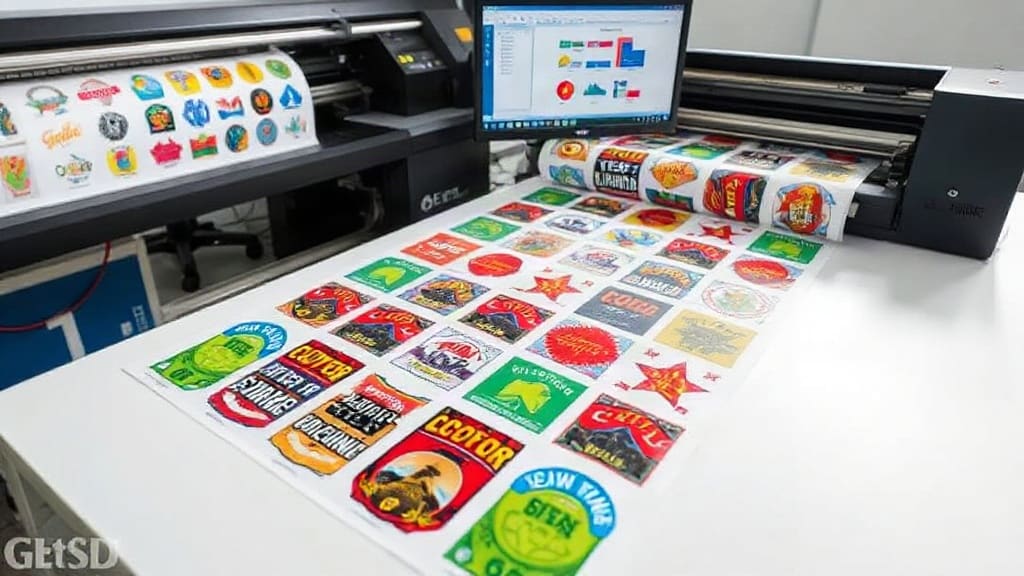
DTF Gangsheet Builder: Maximize Efficiency and Cut Costs
Learn how a DTF gangsheet builder can streamline your printing workflow, reduce waste, and save money while boosting productivity.

Learn how a DTF gangsheet builder can streamline your printing workflow, reduce waste, and save money while boosting productivity.
DTF gangsheet builder is transforming how shops plan and execute heat transfer projects, from design to delivery.In print-on-demand setups or small-to-medium shops, maximizing sheet usage boosts material savings and speed within the DTF printing workflow.
DTF Gangsheet Builder issues are a common bottleneck in busy shops, threatening uptime and throughput.This article guides you through troubleshooting steps, emphasizes practical fixes, and helps you prevent costly slowdowns.
DTF GangSheet Builder puts color discipline at the heart of direct-to-fabric printing, shaping how you plan and execute every design.For anyone serious about vibrant prints and repeatable results, mastering this tool means fewer color surprises, less waste, and faster workflow.
DTF gang sheet designs have transformed how apparel is produced, delivering vibrant transfers and streamlined workflows for studios of all sizes.This approach centers on turning a single print surface into 100+ design opportunities, a strategy that shines in DTF gang sheet printing.
Automate DTF gangsheet builder is changing how apparel brands scale production by linking design files to optimized transfer layouts.This approach leverages DTF gangsheet automation and DTF workflow automation to reduce setup time and minimize errors.
DTF Gangsheet Builder is transforming how print shops plan and execute transfers, delivering faster results with improved consistency.By streamlining prepress, it boosts DTF printing efficiency and reduces setup times.
DTF Gangsheet Builder Templates streamline how designers move from concept to print in today’s fast-paced apparel market.These DTF gangsheet templates offer ready-made layouts tailored for direct-to-film production, reducing repetitive setup and improving apparel design efficiency.
DTF Gangsheet Builder gives small shops a smarter way to group transfers and print more efficiently.By arranging multiple designs on a single sheet and planning color separations ahead of time, it supports DTF printing and DTF transfer printing while reducing waste, saving ink, shortening setup times, and lowering the cost per unit across high-volume runs.
DTF Gangsheet Builder unlocks a scalable workflow for printing multiple designs on a single sheet, delivering durable, vibrant results with fewer steps.For DTF printing, brands can balance color accuracy, placement precision, and production speed across diverse designs on one run.
DTF Gangsheet Builder is transforming how designers and print shops approach Direct-to-Fabric printing, offering a streamlined path from concept to production.By arranging multiple designs on a single sheet, it reduces setup time, material waste, and production costs while supporting consistent margins and precise color spacing.
DTF gangsheet builder is transforming how studios plan and optimize designs for transfer printing, delivering faster throughput and smarter material use.In busy print shops, every minute saved and every square inch of transfer sheet material optimized translates into faster turnaround times, lower waste, and happier clients.
DTF gangsheet builder technology has transformed garment decoration, and the right DTF gangsheet software makes it easier to achieve speed, consistency, and cost savings.If you’re printing multiple designs on a single sheet, a gangsheet workflow maximizes sheet usage and minimizes setup time, a core benefit of DTF batch printing.
DTF Gangsheet Builder is a specialized workflow tool designed to maximize efficiency when creating multiple designs on a single sheet for Direct-to-Film printing.Used correctly, it can dramatically reduce setup time, minimize waste, and improve consistency across orders.
DTF Gang Sheets are transforming how brands and print shops handle bulk designs by letting multiple artworks fit onto a single transfer sheet.In DTF printing workflows, these print layouts accelerate throughput, reduce press times, and help maintain color consistency across dozens of transfers.
DTF Gangsheet Builder is transforming how shops approach complex print runs.In the DTF printing workflow, this tool helps consolidate designs onto gang sheets, maximizing prints per sheet.
DTF GangSheet Builder speed is a critical factor shaping how shops compete in DTF printing, where rapid throughput and consistent output define customer satisfaction, drive repeat business, and protect margins in a market that rewards both speed and reliability, even as clients demand customization and shorter return times, and it should be integrated with shop workflows from order intake to packing guidance.In today’s competitive landscape, printers must balance speed with uncompromising print quality, rigorous color management, and strict material cost control, all while keeping ambitious lead times intact across diverse fabrics and garment types, from standard tees to performance wear, without sacrificing color fidelity, and with awareness of prepress validation and color matching across substrates.
The DTF gangsheet builder has reshaped how designers and print-on-demand sellers maximize output while maintaining vibrant, durable transfers.By letting you arrange multiple designs on a single sheet before printing, it reduces waste and speeds up production across different fabrics and orders.
DTF gangsheet builder accelerates the journey from concept to customer-ready garment by uniting design, layout, and print instructions into a single, streamlined workflow that reduces back-and-forth and keeps teams aligned from the first sketch to final production for teams of all sizes.This approach boosts the DTF printing workflow by standardizing steps, minimizing setup time, and speeding up production timelines across diverse orders without sacrificing color accuracy.
DTF Gangsheet Builder makes it easier to plan multiple designs on a single print run, turning complex layouts into a streamlined workflow.For SEO, it positions terms like DTF gangsheet software and gangsheet optimization alongside practical guidance for printers seeking efficiency and ROI.
DTF gangsheet layout ideas are transforming how brands plan multiple designs on a single print, unlocking efficiency from the start.When paired with a capable DTF gangsheet builder throughput, these ideas reduce setup time and cut waste, boosting profitability.
DTF gangsheet builder has emerged as the central toolkit for scaling apparel customization with precision and speed.For brands and print shops aiming for high-volume DTF production, this tool streamlines how designs are arranged, color-managed, and prepared for transfer.
DTF gangsheet builder is a game-changing tool for garment decorators and small studios looking to optimize throughput and cut waste.As a dedicated gangsheet design tool, it helps you arrange multiple designs on one transfer sheet while preserving color accuracy.
DTF Gangsheet Builder is transforming how designers and apparel brands efficiently plan and print multiple designs on a single sheet for batch transfers, making large runs faster, kinder on costs, and easier to manage.Using a DTF printing gangsheet approach, you can arrange artwork with precise margins and consistent gutters, improving color control and streamlining production across multiple designs, from tees to accessories.
The DTF gangsheet builder is transforming how shops plan transfers by automating the layout of multiple designs on a single sheet.In the rapidly evolving DTF printing workflow, this approach boosts DTF production efficiency by reducing waste and speeding throughput, thanks to template-driven placement and real-time checks, with seamless integration into production flows across teams worldwide consistently.
DTF GangSheet Builder is reshaping how studios approach garment decoration, delivering speed, consistency, and waste control right from the start.As studios scale from hobby ventures to reliable production houses, this system prompts a careful look at the evolving DTF gang sheet printing landscape.
DTF Gangsheet Builder is a strategic tool designed to maximize material use on each transfer sheet and streamline DTF production.When you print multiple transfers on a single sheet, this approach elevates DTF gang sheet optimization and leverages DTF layout templates to arrange designs efficiently.
DTF Gangsheet Builder Essentials is a practical blueprint for teams seeking consistency and scale in apparel printing, offering a clear starting point for studios that want repeatable results, predictable timelines, and a shared language for tackling complex multi-design runs.By outlining a cohesive flow from concept through finish, it enhances the DTF printing workflow for diverse product lines, from single-logo tees to multi-item bundles, ensuring each batch adheres to the same color standards, layout rules, and transfer outcomes.
DTF Gangsheet Builder Tutorial unlocks a practical, beginner-friendly path to mastering multi-design gang sheets.This guide highlights a focused workflow that minimizes setup time and misalignment.
DTF gangsheet builder is a practical tool that helps you assemble multiple designs onto a single sheet, unlocking efficiency as you scale up production.By centralizing layout planning, it minimizes waste and reduces setup time while keeping each design true to size.
DTF Gangsheet Builder is the central engine for modern direct-to-film production, designed to help studios scale runs, minimize waste, and lock in consistent color across batches, enabling designers and operators to align on color targets, print queues, and material constraints across multiple devices and regions.It coordinates designs, sheets, inks, and printer settings, aligning with DTF printing software features to deliver repeatable results and reduce setup time, while supporting multi-user workflows and clear change tracking from concept to production, with governance features that track changes and assign responsibilities.
In the fast-paced world of on-demand apparel, DTF print runs hinge on speed, precision, and consistent color across batches.Even with rapid printers and reliable inks, how designs are laid out on each transfer sheet often determines how many items you can produce in a single batch.
DTF GangSheet Builder is reshaping how apparel brands scale their designs, delivering precise, high-speed gang sheets that maximize every sheet.By translating multiple designs into optimized gang sheets, it helps teams achieve better throughput, lower waste, and tighter color control across runs, reflecting DTF printing techniques and the demand for efficient gang sheet production.
DTF gangsheet builder is redefining efficiency in print production for modern studios, and this guide unlocks its full potential.As you learn the steps to assemble multiple designs, you will uncover workflows that minimize waste, streamline setup, and ensure consistent results across runs.
DTF gang sheets have transformed how apparel printers scale production by allowing multiple designs to share a single transfer and maximize the print run, enabling faster turnovers and smarter inventory management.Using a well-defined DTF printing guide, shops can optimize material usage, reduce setup time, lower per-design costs, and implement consistent color workflows across every job, from first proof to final delivery.
DTF Gangsheet Builder is transforming how shops scale direct-to-fabric production, delivering faster results without sacrificing quality.This specialized tool automates the placement of multiple designs across gang sheets, driving gangsheet layout optimization and reducing manual guesswork.
Bulk DTF GangSheets unlock a faster, more efficient production flow for apparel lines by consolidating multiple designs onto a single printable sheet, dramatically reducing setup times and enabling precise, planogram-like layout planning across dozens of SKUs.Used correctly, this approach aligns with DTF gang sheets and bulk DTF printing to maximize substrate usage, reduce waste, improve color consistency, and lower per-item costs across large or small batches.
DTF gangsheet builder is transforming how apparel and custom textiles move from concept to print, delivering faster setups, consistent alignment, and cleaner results that teams can trust for everyday production.By automatically arranging multiple designs on a single sheet, it demonstrates how layout efficiency directly drives throughput, reduces downtime, and counters the historical manual layout drawbacks that slow early-stage workflows.
DTF gangsheet builder reshapes how projects are planned by turning cluttered ideas into clean sequences and efficient prints, making it easier to visualize dozens of designs on a single sheet before you commit to ink, film, and heat.By automating design placement on a gangsheet, it helps maximize the printable area, reduce setup time, control margins precisely, and improve overall print quality.
DTF GangSheet Builder redefines how modern print shops arrange designs on transfer sheets, delivering speed and precision from concept to shipment.By centralizing layout, color control, and batch preparation, it aligns with a streamlined DTF printing workflow and enables smarter gang sheet optimization.
DTF gangsheet builder unlocks scalable production by grouping multiple designs into a single transfer plan, speeding up batch work, and this clarity helps teams coordinate art, proofs, and approvals before printing, ensuring everyone stays aligned.This tool streamlines the DTF printing workflow, reducing setup time and improving material efficiency across designs, from concept to cut sheets, the approach reduces iteration cycles and minimizes waste.
DTF GangSheet Builder redefines how e-commerce sellers scale transfers while preserving quality and consistency across every print, fostering a mindset of grouped designs, higher throughput, and predictable outcomes.By grouping multiple transfer designs into a single gang sheet, it streamlines the DTF printing workflow, minimizes setup time, reduces waste, and helps operators keep printers running with minimal downtime.
DTF Gangsheet Builder reshapes how you plan and execute tee designs at scale, offering a centralized hub that speeds up production while preserving accuracy.As part of the bulk t-shirt design workflow, and the DTF gang sheet approach, it consolidates art, color profiles, and print settings into a single studio-ready file.
DTF Gangsheet Builder has emerged as a game-changing tool for garment customization, transforming how shops plan, lay out, and manage dozens of designs on production sheets, from initial art brief to final transfer, with clarity and speed.By consolidating multiple designs into a single DTF gang sheet and guiding efficient spacing, it streamlines the DTF printing workflow, reduces unnecessary color changes, and helps teams optimize setup times for high-volume runs.
DTF gangsheet builder tools have become a cornerstone for modern print shops as we move through 2025, enabling teams to plan multiple designs on a single sheet with minimal waste.These tools help control color accuracy, margins, and bleed while speeding up production and maintaining consistency across runs.
DTF gangsheet builder is a game-changing tool for garment decoration teams, designed to boost throughput and drive efficiency.In today’s fast-paced print environments, throughput—what you can produce in a given period—often determines profitability and client satisfaction, aligning with DTF throughput optimization strategies.
DTF gangsheet builder is redefining how a mid-sized apparel shop scales output and consistency.By automating nesting and prioritizing color integrity, it maximizes sheet real estate and cuts setup time dramatically.
DTF Gangsheet Builder is revolutionizing how shops plan their runs by turning multiple designs into a single, efficient layout that minimizes setup steps and accelerates prepress work.This tool improves DTF gangsheet vs manual layout by automating spacing, margins, color management, and bleed control to keep speed and accuracy consistently high across orders and ongoing optimization for future runs across different fabrics and finishes.
DTF Gangsheet Builder is transforming how shops approach direct-to-film production by unifying design, color management, and layout into a single repeatable workflow.By collapsing these steps into a design-to-dispatch powered process, teams move from design to dispatch with fewer errors and faster turnarounds.
DTF Workflows sit at the heart of modern print-on-demand and apparel operations, turning creative concepts into finished products with speed, accuracy, and built-in quality checks that help brands respond to fast-changing markets.By orchestrating design, color management, RIP settings, and transfer steps, these workflows reduce waste, improve throughput, and streamline the handoff to production, so teams spend more time iterating on ideas than chasing files.