
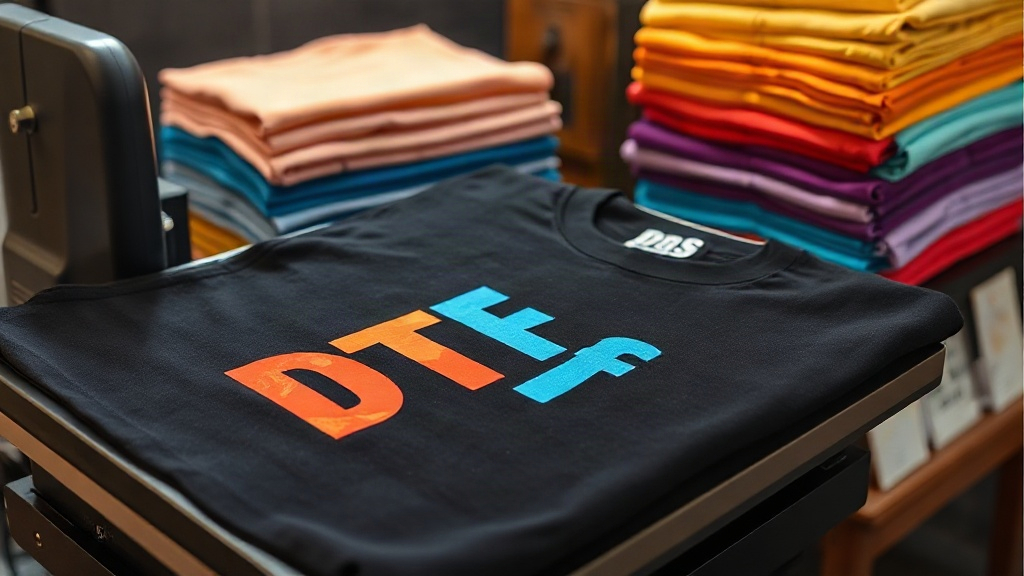
If you've been in the custom apparel game for even a short while, you've likely heard the buzz around DTF transfers. This printing method has taken the industry by storm, and for good reason. Unlike traditional screen printing or vinyl, DTF (Direct to Film) transfers offer incredible versatility, vibrant colors, and impressive durability. But here's the catch: not all DTF transfers are created equal, and the blank you choose can make or break your final product. In this guide, we'll dive deep into the world of DTF transfers, explore why Shaka Wear and Smart Blanks are go-to options for professionals, and share actionable tips to help you get the best results every time.
What Are DTF Transfers and Why Are They So Popular?
DTF transfers are a type of heat-applied graphic that involves printing your design onto a special film, coating it with a powder adhesive, and then using a heat press to transfer it onto fabric. The process is surprisingly straightforward: print, powder, cure, and press. But the results are anything but basic. DTF transfers can adhere to a wide range of materials, including cotton, polyester, blends, and even nylon. They produce bright, opaque colors that stand out, and they hold up well to washing and wear.
One of the biggest reasons DTF has exploded in popularity is its low barrier to entry. You don't need a screen printing setup or a vinyl cutter. A decent DTF printer, a heat press, and some quality supplies are all you need to start producing professional-grade apparel. Plus, DTF transfers eliminate the color limitations of vinyl and the setup costs of screen printing, making them ideal for small businesses, side hustles, and on-demand printing.
The Critical Role of Blanks in DTF Printing
Here's something many beginners overlook: the blank garment you choose is just as important as the DTF transfer itself. A poor-quality blank can lead to uneven adhesion, premature fading, or an uncomfortable feel. On the flip side, a high-quality blank enhances the print's vibrancy, ensures a smooth application, and keeps your customers coming back for more. That's why seasoned printers turn to trusted brands like Shaka Wear and Smart Blanks.
Why Shaka Wear Stands Out for DTF
Shaka Wear has built a reputation for producing heavyweight, durable garments that take DTF transfers like a champ. Their t-shirts, hoodies, and crewnecks are made from high-quality cotton and cotton blends that provide a smooth, even surface for printing. The fabric's tight weave prevents the transfer from sinking in or distorting, resulting in crisp lines and vibrant colors. Many printers appreciate that Shaka Wear blanks hold their shape wash after wash, so the print stays looking fresh. If you're aiming for a premium feel and long-lasting results, Shaka Wear is a solid choice.
Smart Blanks: Affordable Quality for Every Project
For those who need reliable blanks at a budget-friendly price, Smart Blanks delivers. These garments are designed with printing in mind, offering a consistent surface that works well with DTF transfers. Whether you're printing a small batch of custom tees for a local event or scaling up for an online store, Smart Blanks provides a dependable option that doesn't skimp on quality. Their fabric blends are soft yet sturdy, and the color range is extensive, giving you plenty of creative freedom. Plus, the consistent sizing and cut make them a favorite among printers who value efficiency.
How to Achieve Flawless DTF Transfers on Shaka Wear and Smart Blanks
Even with top-tier blanks, the success of your DTF transfer hinges on your technique. Here are some expert tips to ensure your prints look professional and last.
1. Prep Your Blank Properly
Before you even think about pressing, give your garment a quick pre-press for a few seconds. This removes moisture and wrinkles, creating a smooth canvas. For Shaka Wear and Smart Blanks, a pre-press at 300°F for 3-5 seconds works well. Don't skip this step; it's the foundation of a great transfer.
2. Dial In Your Heat Press Settings
DTF transfers typically require a temperature between 300°F and 325°F, medium to high pressure, and a press time of 10-15 seconds. However, the exact settings can vary depending on your transfer supplier and the fabric. Always do a test press on a scrap piece of the same blank. For Shaka Wear's heavier fabrics, you might need slightly higher pressure to ensure even adhesion. Smart Blanks tend to be a bit lighter, so adjust accordingly. Consistency is key: use the same settings for each batch.
3. Peel with Care
After pressing, you'll need to peel the film. DTF transfers can be peeled either hot or cold, depending on the film type. Most modern films are cold-peel, meaning you wait for the transfer to cool completely before removing the film. This prevents the design from stretching or cracking. Gently peel from one corner; if the design lifts, press again for a few seconds.
4. Post-Press for Extra Durability
For maximum washability, consider a second press using a Teflon sheet or parchment paper for about 5-10 seconds. This helps the adhesive fully bond with the fabric fibers. It's an extra step, but it pays off in longevity, especially for items that will see frequent washing.
Choosing the Right DTF Transfer for Your Blank
Not all DTF transfers are the same. When ordering transfers, consider the following:
- Ink Quality: High-quality inks produce brighter colors and better opacity. Look for transfers that use vibrant, durable inks.
- Adhesive Powder: The powder determines how well the transfer sticks. A fine, even powder coating ensures a smooth finish and strong bond.
- Film Type: Some films are designed for stretch fabrics, others for rigid. Match the film to your blank for best results.
- Design Complexity: DTF excels with intricate details, gradients, and photographic images. If your design has fine lines, DTF is a great choice.
When you pair a quality transfer with a quality blank like Shaka Wear or Smart Blanks, you set yourself up for success.
Common Mistakes to Avoid with DTF Transfers
Even experienced printers can slip up. Here are a few pitfalls to watch for:
- Insufficient Pressure: If the pressure is too low, the transfer won't adhere properly, leading to peeling. Always use medium to high pressure.
- Wrong Temperature: Too hot and you'll scorch the fabric or melt the film; too cold and the adhesive won't activate. Invest in a heat press with accurate temperature control.
- Skipping the Pre-Press: Moisture is the enemy of DTF. Always pre-press to remove it.
- Peeling Too Soon: Unless your film is hot-peel, wait for it to cool. Patience prevents cracks and lifts.
- Using Low-Quality Blanks: Cheap blanks can have inconsistent surfaces, causing uneven transfers. Stick with trusted brands like Shaka Wear and Smart Blanks.
Frequently Asked Questions About DTF Transfers
Can I use DTF transfers on 100% polyester Shaka Wear garments?
Absolutely. DTF transfers work well on polyester, but you may need to adjust your heat press settings. Polyester is heat-sensitive, so use a lower temperature (around 280°F-300°F) and a shorter press time to avoid scorching. Always test on a scrap first. Shaka Wear offers polyester blends that are DTF-friendly, but pure polyester requires a bit more care.
How do Smart Blanks compare to other budget-friendly options for DTF printing?
Smart Blanks stands out because they prioritize printability without cutting corners on comfort. Many budget blanks have inconsistent fabric thickness or rough textures that can affect transfer adhesion. Smart Blanks maintains a smooth, even surface that accepts DTF transfers beautifully. Plus, their sizing is reliable, which reduces waste and returns. For printers watching their bottom line, they're a smart choice.
What's the best way to wash a DTF-printed Shaka Wear t-shirt?
To keep your DTF print looking new, turn the garment inside out and machine wash in cold water on a gentle cycle. Avoid using fabric softeners or bleach, as they can break down the adhesive. Tumble dry on low or hang to dry. If you must iron, do it inside out and avoid the printed area. With proper care, a DTF transfer on Shaka Wear can last 50+ washes.
Do I need a special printer for DTF transfers?
Yes, DTF printing requires a dedicated DTF printer that uses pigment inks and a film feeding system. You can't use a standard inkjet or laser printer. However, if you're not ready to invest in a printer, you can order custom DTF transfers from suppliers and apply them with a heat press. That's a great way to start small and scale up.
Can DTF transfers be applied to dark and light fabrics equally well?
One of DTF's biggest advantages is that it works on both dark and light fabrics without needing a separate white underbase. The white ink layer in the transfer provides opacity, so your design pops on black, navy, or any dark color. On light fabrics, the colors remain vibrant. This versatility is why DTF is so popular for diverse apparel lines. Whether you're using Shaka Wear in black or Smart Blanks in white, you'll get consistent results.