
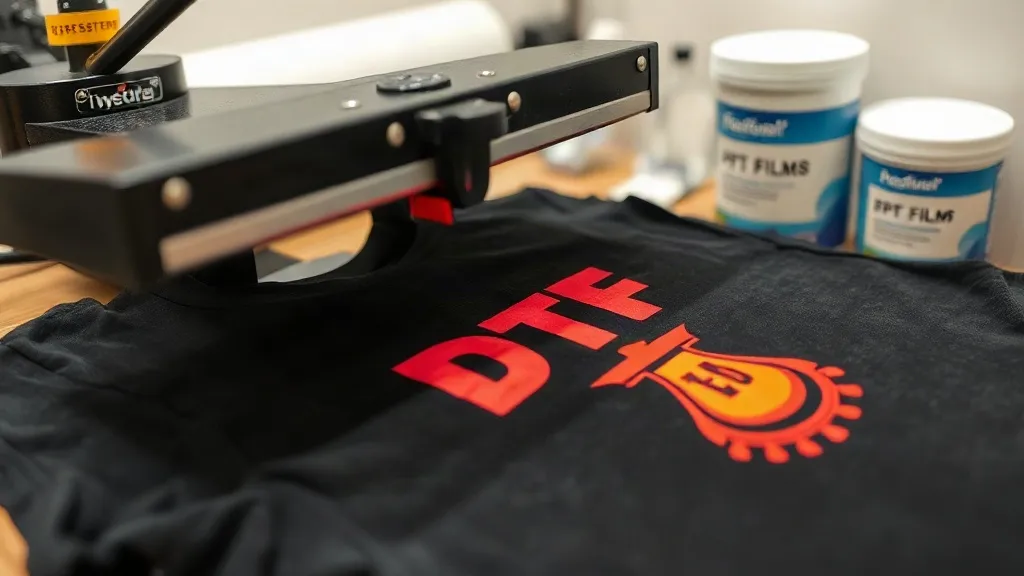
When you first hear about dtf printing, it might sound like just another trend in the custom apparel world. But spend a few hours in a working print shop, and you will see why so many professionals are switching their production lines to this method. Unlike vinyl or screen printing, DTF transfers offer a unique combination of flexibility, vibrant color, and durability that solves real problems for both small businesses and large-scale operations.
What Exactly Are DTF Transfers?
At its core, DTF stands for Direct to Film. The process involves printing a design onto a special PET film using water-based pigment inks, then applying a thermoplastic polyurethane (TPU) powder to the wet ink. After curing, the transfer is ready to be heat-pressed onto a garment. The magic happens when the powder melts and bonds with the fabric fibers, creating a strong, stretchable bond that feels soft to the touch.
What sets DTF apart from other methods is its ability to print on almost any fabric. Cotton, polyester, blends, even leather and denim. You are not limited to light colors or specific material compositions. This versatility is why dtf transfers have become a go-to solution for shops that handle diverse orders, from sports jerseys to corporate uniforms.
Why Durability Matters and How DTF Delivers
Anyone who has worn a printed t-shirt knows the disappointment of a design that cracks, fades, or peels after a few washes. Durability is not just a nice-to-have; it is a direct reflection of your brand quality. DTF transfers are engineered to withstand repeated washing without losing their integrity. The key lies in the TPU powder and the curing process.
When properly cured, the ink and powder form a flexible layer that moves with the fabric instead of breaking. This is especially important for stretchy materials like spandex blends used in athletic wear. In our own testing, we have seen DTF prints survive over 50 wash cycles with minimal fading, far outperforming many traditional heat transfer vinyls.
However, durability is not automatic. It depends on several factors:
- Ink quality: Cheap inks may not bond properly with the powder.
- Powder application: Too much or too little powder affects adhesion and feel.
- Curing temperature and time: Under-curing leads to wash-off; over-curing makes the print stiff and brittle.
- Heat press settings: Incorrect pressure or temperature during application can ruin even a perfect transfer.
By controlling these variables, you can produce DTF transfers that rival screen printing in longevity.
Choosing the Right Supplies for DTF Printing
Not all DTF supplies are created equal. If you are just starting, it is tempting to buy the cheapest film and powder you can find. But in our experience, low-quality supplies lead to more wasted time and material than the savings are worth. Here is what to look for:
PET Film
The film must be coated evenly to release the ink properly. Poorly coated film can cause the transfer to tear or leave residue on the garment. Look for films that specify compatibility with your printer model and offer a consistent thickness.
DTF Ink
Water-based pigment inks are standard, but formulations vary. High-quality inks produce vivid colors and fine details without clogging your printhead. They also cure more consistently, which is critical for durability.
TPU Powder
The powder is what makes the transfer stretchable and wash-resistant. Particle size matters: too coarse and the print feels gritty; too fine and it may not bond well. Reputable suppliers provide technical data sheets, so you can check the melting point and recommended curing conditions.
Step-by-Step: Applying DTF Transfers Like a Pro
Even with the best supplies, application mistakes can ruin the final result. Follow this process to ensure consistent, professional outcomes:
- Pre-press the garment: This removes moisture and wrinkles, creating a smooth surface for adhesion.
- Position the transfer: Place it with the printed side up. If you are using a transfer with a carrier sheet, make sure the design is facing the fabric.
- Heat press: Set your press to 325°F (160°C) with medium pressure. Press for 15-20 seconds. Times and temperatures may vary slightly by film manufacturer, so always test.
- Peel: Wait a few seconds for the transfer to cool slightly, then peel the film away in a smooth, steady motion. If the design lifts, press again for a few more seconds.
- Post-press (optional): For extra durability, cover the design with a Teflon sheet or parchment paper and press for another 5-10 seconds. This ensures the powder fully melts and bonds.
One common mistake is using too much pressure. This can cause the ink to spread and lose detail. Start with medium pressure and adjust based on your test results.
Common Challenges and How to Solve Them
DTF printing is forgiving, but you will encounter issues from time to time. Here are solutions to the most frequent problems:
Transfer Not Sticking
If the transfer peels off after pressing, it is usually due to insufficient temperature or pressure. Increase both slightly and try again. Also, ensure the garment is completely dry before pressing.
Colors Look Dull
Dull colors often result from under-curing the ink before powdering. Make sure your printer settings are correct and that the ink is fully dry before applying powder. Using a higher-quality ink can also make a noticeable difference.
Print Feels Stiff
Stiffness usually means too much powder or over-curing. Reduce the amount of powder and check your curing oven's temperature. A properly cured DTF transfer should feel flexible and soft.
DTF vs. Other Printing Methods
How does DTF stack up against screen printing, DTG, and vinyl? Each has its place, but DTF shines in specific scenarios:
- Screen printing: Better for large runs of simple designs on light fabrics. DTF wins for complex, multi-color designs and small batches.
- DTG: Works well on 100% cotton but requires pre-treatment and can struggle with polyester. DTF handles both with ease.
- Vinyl: Great for simple text and numbers, but layering multiple colors is time-consuming. DTF prints the entire design in one go.
For a shop that offers custom apparel, DTF transfers provide a level of versatility that is hard to beat. You can produce one-off pieces or short runs without the setup costs of screen printing.
Frequently Asked Questions About DTF Transfers
How long do DTF transfers last?
With proper application and care, DTF transfers can last as long as the garment itself. We have seen them hold up for 50+ washes when following the correct heat press settings and washing instructions.
Can I use DTF transfers on dark and light fabrics?
Yes. DTF transfers include a white ink layer that makes them opaque, so they show up vividly on both dark and light materials. No need for separate transfer types.
What is the best temperature for pressing DTF transfers?
Most manufacturers recommend 325°F (160°C) with medium pressure for 15-20 seconds. However, always check the specific instructions from your film supplier, as formulations can vary.
Do I need a special printer for DTF?
You can convert many inkjet printers to DTF with the right ink system and film, but for consistent results, a dedicated DTF printer is recommended. It ensures proper ink flow and reduces clogs.
How should I wash garments with DTF prints?
Turn the garment inside out and wash in cold water with mild detergent. Avoid fabric softeners and bleach. Tumble dry on low or hang dry. Following these steps will maximize the life of your print.
Final Thoughts
DTF transfers have revolutionized the custom apparel industry by offering a combination of quality, durability, and ease of use that was previously hard to achieve. Whether you are a small business owner or a large-scale producer, understanding the nuances of DTF printing can help you deliver better products and keep your customers coming back. Remember, the key to success lies in choosing the right supplies and mastering the application process. With a bit of practice, you will be producing professional-grade transfers in no time.