
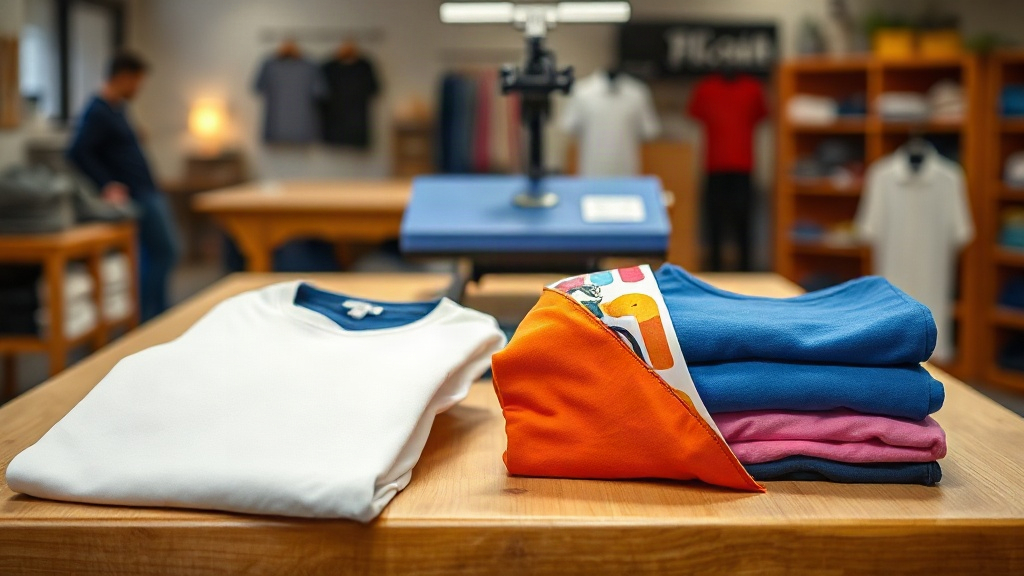
If you run a screen printing or DTF shop, you already know that the blank you choose can make or break a job. A shirt that fits poorly, shrinks after one wash, or has a rough hand feel will disappoint customers no matter how flawless your print is. That is why the rise of smart blanks matters. These are not just any blank tees; they are engineered fabrics and cuts designed to work seamlessly with modern decoration methods, especially DTF transfers. In this article, we will explore what makes a blank "smart," how brands like Shaka Wear fit into the picture, and how to select blanks that keep your clients coming back.
What Exactly Are Smart Blanks?
The term "smart blanks" has been floating around the apparel decoration industry for a few years, but it is not just marketing hype. A smart blank is a garment that has been optimized for decoration. That means the fabric, weave, and finish are chosen to accept heat transfers, screen printing, and embroidery with minimal fuss. For example, a smart blank might have a tighter knit to prevent the print from distorting, or a specially treated surface that helps DTF transfers adhere evenly without ghosting.
Beyond decoration, smart blanks also prioritize the end wearer. They often feature softer ringspun cotton, modern fits (think tapered waist or drop shoulder), and colorfast dyes that hold up after repeated laundering. In short, a smart blank is a blank that works hard for both the decorator and the customer.
Why Smart Blanks Matter for DTF Transfers
DTF transfers have exploded in popularity because they allow for full-color, highly detailed prints without the setup costs of screen printing. However, not all blanks play nicely with DTF. A cheap, loosely woven tee can cause the transfer to crack or peel because the fabric shifts during application. Smart blanks, on the other hand, are typically made with a tighter weave and a smoother surface, which means the adhesive can bond properly and the print stays vibrant wash after wash.
Moreover, smart blanks often have a higher cotton content or a cotton-poly blend that is specifically tested for heat press compatibility. This reduces the risk of scorching and ensures consistent results across different colors. If you have ever ruined a batch of shirts because the blank could not handle the heat, you know how valuable that consistency is.
Shaka Wear: A Case Study in Smart Blanks
When discussing smart blanks, Shaka Wear deserves a spotlight. This brand has built a reputation for heavyweight, durable tees that take decoration like a champ. Their garments are known for tight knitting and a substantial hand feel, which makes them ideal for DTF transfers and screen printing alike. Many decorators report that Shaka Wear blanks hold their shape and color even after dozens of washes, which translates to happier customers and fewer returns.
But Shaka Wear is not the only player. Other brands have also stepped up their game, offering smart blanks that cater to different niches, from budget-friendly options to premium retail-quality tees. The key is to test a few and see which ones align with your shop's workflow and clientele.
How to Choose the Right Smart Blank for Your Shop
With so many options on the market, picking the right smart blank can feel overwhelming. Here are some practical criteria to guide your decision:
- Fabric weight and weave: Heavier fabrics (like 5.5 oz and up) tend to be more durable and provide a better surface for DTF transfers. A tight weave prevents print distortion.
- Material composition: 100% cotton is great for a soft hand feel, but cotton-poly blends can offer better durability and color retention. Consider your customers' preferences.
- Fit and sizing: Modern fits are in demand. Look for blanks that offer a range of sizes and consistent grading so your prints look proportional.
- Color consistency: If you offer multiple colors, make sure the dye lots are consistent. Smart blanks from reputable brands usually have tighter quality control.
- Price vs. value: Cheaper blanks might save you money upfront, but if they lead to unhappy customers, the savings vanish. Smart blanks often cost a bit more but deliver better results.
Start by ordering sample packs from a few brands, including Shaka Wear, and run them through your typical decoration process. Pay attention to how the fabric handles the heat press, how the print looks after washing, and how the shirt feels on. This hands-on testing is the best way to find your ideal smart blank.
Maximizing Results with Smart Blanks and DTF Transfers
Once you have chosen your smart blanks, the next step is to optimize your DTF workflow. Here are some tips to get the best results:
- Pre-press the garment: This removes moisture and wrinkles, creating a smooth surface for the transfer.
- Use the right temperature and pressure: Follow the transfer supplier's recommendations, but also test on your specific blank. Smart blanks may require slightly different settings than standard tees.
- Peel with care: Whether hot or cold peel, do it consistently to avoid lifting the print.
- Post-press for durability: A quick second press with a cover sheet can improve wash durability.
By pairing high-quality smart blanks with proper DTF techniques, you will produce apparel that looks professional and lasts.
Common Questions About Smart Blanks
What makes a blank "smart" compared to a regular blank?
A smart blank is designed with decoration in mind. It typically has a tighter weave, smoother surface, and sometimes a special finish that helps transfers adhere better and resist cracking. Regular blanks may not have these optimizations, leading to inconsistent print quality.
Are smart blanks more expensive?
They can be slightly more expensive than basic blanks, but the difference is often offset by fewer misprints and higher customer satisfaction. Think of it as an investment in your shop's reputation.
Can I use smart blanks for embroidery?
Absolutely. Many smart blanks are also great for embroidery because their tight weave supports dense stitching without puckering. Just make sure to use the appropriate backing.
How do I know if a blank is compatible with DTF transfers?
Check the manufacturer's recommendations. Many brands now specify that their blanks are DTF-friendly. You can also do a wash test: apply a transfer, wash the garment several times, and see how it holds up.
Is Shaka Wear considered a smart blank brand?
Yes, Shaka Wear is often cited as an example of smart blanks due to its durable fabrics and consistent quality. Many decorators rely on Shaka Wear for both DTF and screen printing.
Choosing the right blank is not just about cost; it is about delivering a product that your customers will love. Smart blanks, especially when paired with DTF transfers and trusted brands like Shaka Wear, give you a competitive edge. Take the time to test different options, and you will find the perfect match for your shop.