
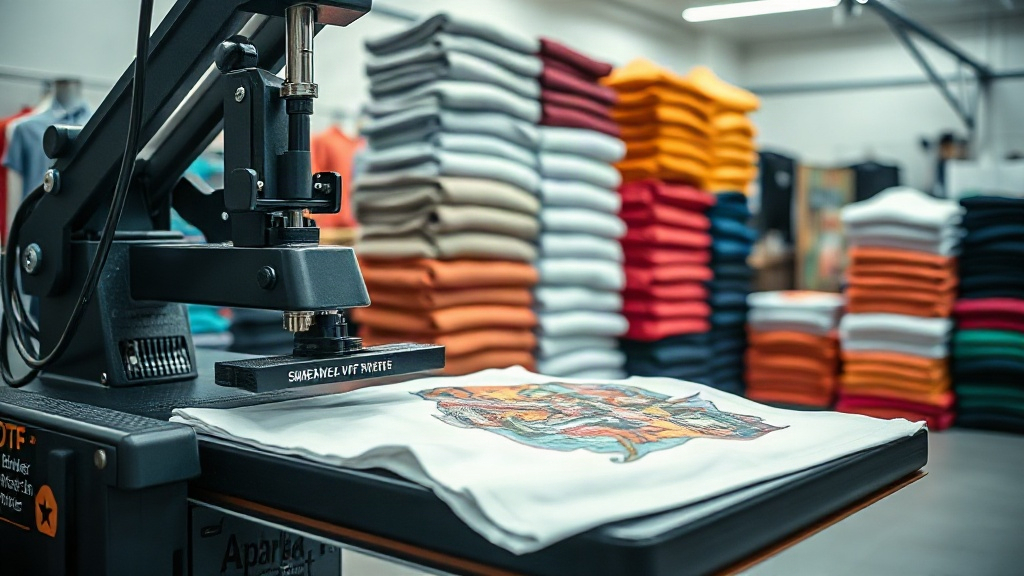
If you're in the custom apparel business, you've likely heard about DTF transfers. This printing method has taken the industry by storm, offering vibrant colors, exceptional durability, and unmatched versatility. Whether you're a small shop owner or a large-scale producer, understanding DTF transfers can elevate your game. In this guide, we'll dive deep into what DTF transfers are, how they compare to other methods, and how to use them with popular blank brands like Shaka Wear and Smart Blanks.
What Are DTF Transfers?
DTF stands for Direct to Film. It's a printing technique where your design is printed onto a special film, coated with adhesive powder, and then heat-pressed onto fabric. Unlike DTG (Direct to Garment) or screen printing, DTF transfers don't require pre-treatment or specialized equipment. The process involves:
- Printing the design onto PET film using a DTF printer with pigment inks.
- Applying a thermoplastic polyurethane (TPU) adhesive powder to the wet ink.
- Curing the powder with heat.
- Heat-pressing the transfer onto the garment.
The result is a soft, stretchable, and durable print that adheres to a wide range of fabrics, including cotton, polyester, blends, and even nylon. DTF transfers are particularly popular for their ability to produce full-color designs without the color limitations of screen printing.
Why Choose DTF Transfers Over Other Methods?
DTF transfers offer several advantages that make them a preferred choice for many apparel decorators. Let's explore the key benefits.
1. Unmatched Versatility
DTF transfers work on almost any fabric. Whether you're printing on 100% cotton t-shirts, polyester performance wear, or cotton-poly blends, DTF delivers consistent results. This is a game-changer for shops that handle diverse orders. For example, Shaka Wear offers a range of tees from heavyweight cotton to poly blends, and DTF transfers adhere beautifully to all of them.
2. No Color Limitations
With screen printing, each color requires a separate screen, which can be costly for complex designs. DTF transfers, on the other hand, can print full-color graphics in a single pass. This makes them ideal for photorealistic images, gradients, and intricate details. You can reproduce any design without worrying about color matching or minimums.
3. Durability and Washability
When applied correctly, DTF transfers are highly durable. They resist cracking, peeling, and fading even after multiple washes. The TPU adhesive creates a strong bond with the fabric, ensuring the print stays put. This is crucial for items like workwear or athletic gear that undergo frequent washing.
4. Cost-Effective for Short Runs
Unlike screen printing, which requires setup costs and minimum order quantities, DTF transfers are economical for small batches. You can print one-off designs or small runs without breaking the bank. This makes DTF perfect for personalized gifts, sample orders, or limited editions.
5. Easy to Use
You don't need a full print shop to get started with DTF. A DTF printer, heat press, and some supplies are all you need. The process is straightforward, and many online tutorials can guide you. Plus, you can order pre-printed transfers from companies like DTF Press Hub, saving you the hassle of printing yourself.
Choosing the Right Blanks for DTF Transfers
The quality of your blank garment significantly affects the final outcome. Not all blanks are created equal, and some work better with DTF than others. Here are two popular brands that pair excellently with DTF transfers.
Shaka Wear: Heavyweight Champion for DTF
Shaka Wear is known for its premium heavyweight tees, hoodies, and fleece. Their garments are made from 100% cotton or cotton-poly blends, providing a smooth surface for DTF prints. The tight knit of Shaka Wear tees prevents the ink from sinking in, resulting in vibrant, crisp images. Moreover, Shaka Wear's consistent sizing and quality make them a favorite among streetwear brands and custom shops.
When using DTF transfers on Shaka Wear, you'll notice excellent adhesion and minimal texture. The prints feel soft and stretch with the fabric, thanks to the flexibility of the TPU adhesive. For best results, pre-press the garment to remove moisture and wrinkles.
Smart Blanks: Affordable and DTF-Friendly
Smart Blanks offers budget-friendly apparel without compromising on quality. Their tees and hoodies are made from soft, ring-spun cotton and blends that take DTF transfers well. Smart Blanks are a great choice for startups or large orders where cost is a concern. The smooth surface of Smart Blanks garments ensures that DTF prints look sharp and professional.
One thing to note: Smart Blanks may have slight variations in fabric composition, so always test a sample before a large run. But overall, they are a reliable option for DTF printing.
How to Apply DTF Transfers: Step-by-Step
Applying DTF transfers is a straightforward process, but following the correct steps ensures a durable, professional finish. Here's a quick guide:
- Preheat the heat press to 325°F (160°C).
- Pre-press the garment for 5-10 seconds to remove wrinkles and moisture.
- Place the DTF transfer on the garment with the printed side up.
- Press for 15-20 seconds with medium pressure.
- Peel the film while it's still hot (hot peel) or after it cools (cold peel), depending on the film type.
- Post-press for an additional 5-10 seconds for extra durability (optional).
Always check the instructions provided with your transfers, as times and temperatures may vary.
Common Mistakes to Avoid with DTF Transfers
Even though DTF is forgiving, some pitfalls can ruin your results. Watch out for these:
- Insufficient pressure: Leads to poor adhesion and early peeling.
- Wrong temperature: Too low and the adhesive won't activate; too high and the film may scorch.
- Not pre-pressing: Moisture and wrinkles cause uneven prints.
- Peeling incorrectly: Hot peel vs. cold peel matters; follow the film's guidelines.
- Using fabric softener: It can prevent the adhesive from bonding. Wash garments inside out without softener.
DTF Transfers vs. Other Printing Methods: A Quick Comparison
To help you decide, here's how DTF stacks up against DTG, screen printing, and vinyl:
- DTF vs. DTG: DTF works on more fabrics, no pre-treatment, and often more durable. DTG is limited to cotton and requires pre-treatment.
- DTF vs. Screen Printing: DTF is better for small runs and complex designs; screen printing is more cost-effective for large runs of simple designs.
- DTF vs. Vinyl: DTF offers full-color and photographic quality; vinyl is limited to solid colors and simple shapes.
Frequently Asked Questions About DTF Transfers
What fabrics can I use with DTF transfers?
DTF transfers work on a wide range of fabrics, including cotton, polyester, blends, nylon, and even leather. However, fabrics with a rough texture or heavy coating may not adhere well. Always test on a sample first.
How long do DTF transfers last?
With proper application and care, DTF transfers can last as long as the garment itself. They resist cracking and fading for 50+ washes. To extend life, wash inside out in cold water and avoid fabric softener.
Can I stretch DTF prints?
Yes, DTF prints are stretchable due to the TPU adhesive. They move with the fabric without cracking, making them ideal for performance wear and athletic apparel.
Do I need a special printer for DTF?
Yes, you need a DTF printer that uses pigment inks and can print on PET film. Alternatively, you can order pre-printed transfers from a service like DTF Press Hub and apply them with a standard heat press.
What is the best temperature for DTF transfers?
The ideal temperature is around 325°F (160°C) with medium pressure. However, always follow the specific instructions from your transfer supplier, as films may vary.
Final Thoughts
DTF transfers are revolutionizing the custom apparel industry with their versatility, durability, and ease of use. Whether you're printing on Shaka Wear or Smart Blanks, DTF delivers stunning results that customers love. By understanding the process and avoiding common mistakes, you can produce high-quality garments that stand out. Ready to get started? Explore DTF Press Hub for premium DTF transfers and supplies.