
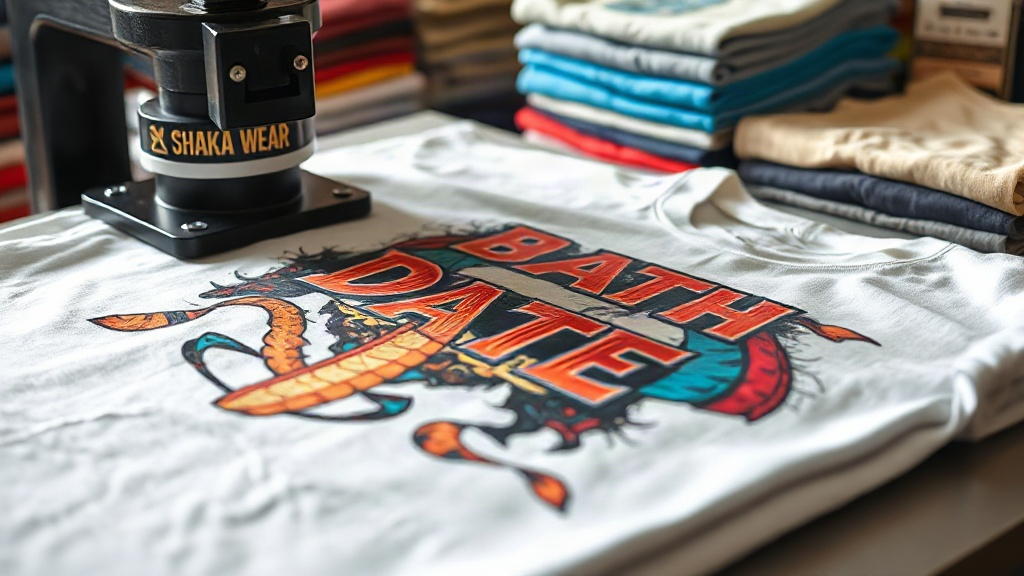
You've invested in a top-tier DTF printer, mastered the art of powder application, and dialed in your heat press settings. Yet, sometimes your prints still fail: colors look washed out, edges crack, or the design peels after a few washes. What's missing? The answer often lies not in your technique but in your canvas. The blank apparel you choose can make or break your DTF transfers. In this post, we'll explore why smart blanks are the unsung heroes of DTF printing and how brands like Shaka Wear deliver the consistency your business needs. Whether you're a hobbyist or a pro, understanding the nuances of blank selection will elevate your results from good to unforgettable.
Why Blanks Matter More Than You Think
DTF (Direct to Film) transfers are incredibly versatile, adhering to a wide range of fabrics. But not all fabrics are created equal. The weave, fiber content, dye, and finish of a garment directly affect how the transfer bonds, how colors appear, and how long the print lasts. A cheap, poorly made blank might save you a few cents upfront, but it can cost you in customer satisfaction and reprints. On the other hand, a high-quality blank acts as a perfect foundation, ensuring your transfers look vibrant and withstand the test of time.
Consider this: a DTF transfer is essentially a layer of ink and adhesive that sits on top of the fabric. If the fabric is uneven, the adhesive can't form a proper bond. If the fabric is treated with certain finishes, the adhesive may not stick at all. If the fabric shrinks excessively, the print will crack. So, choosing the right blank is not just about feel; it's about chemistry.
What Are Smart Blanks?
The term smart blanks refers to apparel that is specifically engineered to work optimally with DTF and other heat-applied transfers. These blanks possess characteristics that facilitate strong adhesion, vibrant color reproduction, and long-lasting durability. Smart blanks are typically made from 100% cotton or high-cotton blends, have a smooth, tight weave, and are pre-shrunk to minimize movement during washing. They are also free from heavy silicone or water-repellent finishes that can interfere with adhesion.
But smart blanks aren't just about technical specs; they're about consistency. When you order a batch of smart blanks, you know exactly what you're getting: the same weight, the same feel, the same dye lot. This consistency is crucial for businesses that need to fulfill large orders with uniform quality. It's also a lifesaver for printers who want to avoid troubleshooting the same issues over and over.
Key Characteristics of Smart Blanks
- Fabric Content: 100% cotton or cotton/poly blends with at least 50% cotton. Polyester can work, but requires lower pressing temperatures and may have dye migration issues.
- Weight: Medium to heavy weight (5.5 oz to 7 oz) provides a stable surface and doesn't wrinkle easily.
- Weave: Tight, smooth weave (like ring-spun cotton) prevents the transfer from sinking in and ensures fine details are visible.
- Finish: No silicone softeners, no anti-wrinkle agents that coat the fabric. These can prevent the adhesive from bonding.
- Pre-shrunk: Reduces shrinkage after washing, which can cause the transfer to crack or distort.
- Color: Light colors are ideal for DTF, but with a white underbase, dark colors work too. However, some dyes can bleed into the transfer under heat.
Shaka Wear: A Case Study in Quality Blanks
When it comes to smart blanks, Shaka Wear has earned a reputation among DTF printers for delivering consistent, high-quality garments that take transfers beautifully. Shaka Wear's tees, hoodies, and tanks are made from 100% ring-spun cotton, which offers a smooth, even surface for printing. Their fabrics are pre-shrunk and feature a tight knit that prevents the transfer from sinking in, resulting in crisp, vibrant images.
But what really sets Shaka Wear apart is their attention to detail. Their blanks are free from harsh chemical finishes, meaning the adhesive in your DTF transfers can form a strong bond. The colors are rich and consistent, so your prints pop. And because Shaka Wear controls their production, you can count on the same fit and feel order after order. Many printers report that after switching to Shaka Wear, their customer complaints about peeling and fading dropped dramatically.
One of our team members recently ran a test: printing the same DTF transfer onto three different blank tees, one from a bargain brand, one mid-tier, and one Shaka Wear. After 20 washes, the bargain tee's print had cracked and faded significantly, the mid-tier showed minor cracking, while the Shaka Wear tee looked almost as good as new. That's the power of smart blanks.
How to Choose the Right Blank for Your DTF Transfers
Not all projects require the same blank. Here are some factors to consider when selecting blanks for your DTF transfers:
1. Fabric Type
Cotton is the easiest to work with. It's forgiving with temperature and pressure, and the transfer adheres well. Polyester requires lower temperatures (around 280°F instead of 325°F) and can be prone to dye migration, where the fabric's dye sublimates into the transfer, discoloring it. If you must use polyester, look for "dye-blocking" or "low-bleed" options. Blends (50/50) offer a compromise, but may require testing.
2. Fabric Weight
Lighter fabrics (under 5 oz) may not provide enough surface stability, leading to transfers that feel stiff or peel. Heavier fabrics (6 oz and up) are more durable and hold up better to the heat press. For hoodies and sweatshirts, go heavy for a plush feel and long-lasting print.
3. Color
DTF transfers include a white underbase, so they show up on both light and dark garments. However, on very dark colors, the white underbase may need to be thicker, which can make the print feel slightly raised. Also, some dark dyes (especially reds and blacks) can migrate into the transfer. Always test a sample if you're unsure.
4. Finish and Treatment
Avoid garments with silicone softeners, anti-wrinkle treatments, or water-repellent finishes. These can create a barrier that prevents the adhesive from sticking. If you're unsure, do a wash test: press a transfer, wash the garment a few times, and see if it holds up.
5. Brand Consistency
Once you find a blank that works, stick with it. Brands like Shaka Wear are known for consistency, so you can build your workflow around their specifications. Switching brands often means re-testing your press settings and risking inconsistent results.
Maximizing DTF Transfers on Smart Blanks
Even with the best blank, your technique matters. Here are some tips to get the most out of your DTF transfers:
- Pre-press the garment: This removes moisture and wrinkles, ensuring a smooth surface. Press for 5-10 seconds at your transfer temperature.
- Use the right pressure: Medium to firm pressure is key. Too little and the transfer won't adhere; too much and the adhesive can spread, causing a halo.
- Cool peel: DTF transfers are typically cool peel. Wait until the transfer is completely cool before peeling the film. This prevents the ink from stretching.
- Post-press for durability: After peeling, cover the transfer with parchment paper and press again for 10-15 seconds. This further embeds the ink into the fabric.
- Wash inside out: Advise your customers to wash inside out in cold water and tumble dry low. This extends the life of the print.
By combining smart blanks with proper technique, you'll achieve professional-grade results that keep customers coming back.
Common Pitfalls and How to Avoid Them
Even seasoned printers run into issues. Here are some common problems and their solutions:
Peeling After Wash
This usually means the adhesive didn't bond properly. Causes include insufficient pressure, incorrect temperature, or a fabric with a finish that repels adhesive. Switch to a smart blank and double-check your press settings.
Cracking
Cracking occurs when the transfer is stretched beyond its elasticity. This can happen if the garment shrinks after washing or if the transfer is applied to a fabric that stretches (like spandex blends). Pre-shrunk blanks and proper post-pressing help prevent this.
Dye Migration
This is when the fabric's dye turns the white underbase of the transfer a different color, usually pink or yellow. It's common on polyester and some dark cottons. Use low-bleed transfers or a dye-blocking underlay, and press at lower temperatures.
Stiff or Rubbery Feel
This can happen if the transfer is too thick or if too much pressure is used, forcing the adhesive into the fabric. Using a high-quality DTF transfer and a smart blank with a smooth weave can minimize this. Also, avoid over-pressing.
Frequently Asked Questions
What are smart blanks and why should I use them for DTF transfers?
Smart blanks are garments engineered for optimal heat transfer results. They have a smooth, tight weave, are pre-shrunk, and lack interfering finishes, ensuring your DTF transfers adhere well and last long.
Is Shaka Wear a good brand for DTF printing?
Absolutely. Shaka Wear is widely recommended for DTF because their blanks are 100% ring-spun cotton, pre-shrunk, and free from problematic finishes. They provide a consistent, high-quality surface that produces vibrant, durable prints.
Can I use DTF transfers on any fabric?
DTF transfers work best on cotton and cotton blends. Polyester can work but requires lower temperatures and may have dye migration issues. Always test a sample first.
How do I prevent my DTF transfers from cracking?
Use a pre-shrunk smart blank, avoid over-stretching the garment during pressing, and post-press after peeling. Also, advise customers to wash inside out in cold water.
What temperature should I press DTF transfers on Shaka Wear blanks?
For 100% cotton Shaka Wear blanks, press at 325°F for 15 seconds with medium-firm pressure. Always check the transfer manufacturer's recommendations.
Ready to elevate your DTF game? Explore our collection of smart blanks and experience the difference that quality garments make. Your prints, and your customers, will thank you.