
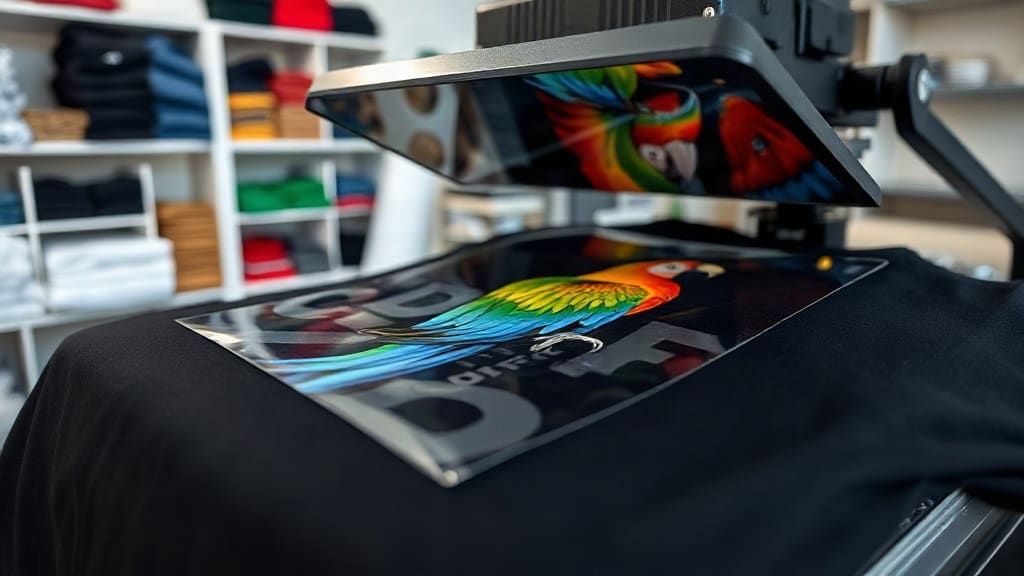
In the world of custom apparel, dtf transfers have emerged as a game-changer. If you're looking for a versatile, cost-effective, and high-quality way to print designs on garments, you've probably heard of this method. But what exactly are they, and how do they work? In this comprehensive guide, I'll walk you through everything you need to know about DTF transfers, from the basics to advanced application techniques. Whether you're a small business owner, a hobbyist, or just curious, you'll find valuable insights here.
What Are DTF Transfers?
DTF, which stands for Direct to Film, is a printing technique where a design is printed onto a special PET film using a printer with CMYK and white ink. After printing, an adhesive powder is applied to the wet ink, and the film is cured to activate the adhesive. The result is a transfer that can be hot-pressed onto a variety of fabrics, leaving a soft, durable print. Unlike traditional screen printing, DTF transfers don't require screens or setup, making them ideal for on-demand printing and small batches.
The beauty of dtf transfers lies in their simplicity and flexibility. You can print complex, full-color designs with gradients and fine details without worrying about color limitations. Moreover, they work on both light and dark garments, and even on challenging materials like polyester, nylon, and blends. This makes them a favorite among custom apparel printers.
How Do DTF Transfers Work?
To understand why DTF is so popular, it helps to know the step-by-step process. First, you create your design using graphic design software like Adobe Illustrator or Photoshop. Then, you print it onto a special DTF film using a DTF printer, which is typically an inkjet printer modified to use pigment-based inks, including white. The white ink is crucial because it provides an opaque base for the design, especially on dark garments.
After printing, while the ink is still wet, you apply a hot-melt adhesive powder over the entire print area. This powder is essential because it bonds the transfer to the fabric during heat pressing. Next, you cure the film in a heat tunnel or using a heat press to melt the powder and dry the ink. Once cooled, the transfer is ready to be applied. You place it on the garment with the film side up, press it with a heat press at around 300°F for 15-20 seconds, and then peel off the film. The result is a vibrant, stretchable print that feels soft to the touch.
Benefits of DTF Transfers
Why should you consider switching to DTF transfers? Here are some compelling advantages:
- Versatility: DTF works on a wide range of fabrics, including cotton, polyester, blends, and even non-woven items like bags and caps.
- No Weeding: Unlike vinyl heat transfers, DTF transfers don't require weeding out excess material, saving you time and effort.
- Full Color and Detail: You can print photorealistic images with gradients and tiny details, which is difficult with other methods.
- Cost-Effective for Small Runs: Since there's no screen setup, you can print single items or small batches without high upfront costs.
- Durability: When applied correctly, DTF prints can withstand multiple washes without cracking or fading.
- Soft Hand Feel: The print lies on the fabric surface, not embedded, so it feels smooth and flexible.
DTF Transfers vs. Other Printing Methods
DTF vs. Screen Printing
Screen printing has been a staple for decades, but it requires significant setup and is best for large quantities. With DTF, you can achieve similar quality without the screens, making it perfect for one-off custom orders or samples. However, for bulk orders, screen printing may still be more cost-effective per unit.
DTF vs. DTG (Direct to Garment)
DTG printing involves printing directly onto the garment using a special printer. While DTG offers excellent detail, it can be slow and requires proper fabric pretreatment. DTF transfers, on the other hand, are printed on film first, so they can be stored and used later. This flexibility makes DTF better for businesses that need to print on demand or want to keep inventory.
DTF vs. Vinyl Heat Transfer
Vinyl is great for simple shapes and letters but not for complex designs. DTF transfers surpass vinyl in terms of color range and detail. Additionally, vinyl requires weeding and can crack over time, while DTF prints are more flexible and durable.
Applications of DTF Transfers
DTF transfers are incredibly versatile, making them suitable for various applications:
- Custom T-shirts: Create personalized tees for events, teams, or businesses.
- Sportswear: Use on jerseys and activewear, as DTF prints stretch with the fabric.
- Workwear: Durable enough for uniforms and aprons.
- Accessories: Apply to tote bags, hats, and even shoes.
- Promotional Items: Print logos on various items for giveaways or merchandising.
How to Apply DTF Transfers at Home or in Business
Applying DTF transfers is straightforward, but here are some professional tips to ensure the best results:
- Preheat Your Heat Press: Set it to around 300°F and allow it to heat up completely.
- Pre-Press the Garment: Press the garment for 2-3 seconds to remove moisture and wrinkles.
- Position the Transfer: Place the film on the garment with the printed side down or up? Actually, you place it with the film side up (the ink side facing down onto the fabric).
- Press Firmly: Apply medium to firm pressure for 15-20 seconds. The exact time may vary based on the fabric and press.
- Peel While Hot: For most DTF transfers, you peel the film immediately after pressing while it's still hot. Check the manufacturer's instructions.
- Post-Press (Optional): For extra durability, you can cover the print with a sheet of parchment and press again for 5 seconds.
Remember to always test on a scrap fabric first to fine-tune your settings.
Choosing the Right DTF Transfers for Your Project
When purchasing dtf transfers, you have two options: buy ready-made transfers or print your own. If you're new, buying pre-printed transfers from a supplier is easier. Look for high-quality prints with clear details and a strong adhesive. Check the supplier's reviews and ask for samples.
If you decide to print your own, you'll need a DTF printer, DTF film, adhesive powder, and the right inks. The initial investment can be significant, but it pays off if you plan to produce regularly. Ensure you use compatible materials and follow the manufacturer's guidelines for temperature and curing times.
Common Mistakes to Avoid with DTF Transfers
Even experienced printers can encounter issues. Here are some pitfalls to avoid:
- Incorrect Temperature: Too low and the adhesive won't bond; too high and the film may melt.
- Insufficient Pressure: This can result in a weak bond, leading to peeling after washing.
- Wrong Peel Timing: Some transfers require hot peel, others cold. Check the instructions.
- Storing Transfers Improperly: Keep them in a cool, dry place to prevent the adhesive from becoming tacky.
- Using Low-Quality Materials: Cheap films or inks can lead to poor results and durability issues.
The Future of DTF Transfers
The popularity of DTF is growing rapidly, and it's not hard to see why. With advancements in ink technology and more affordable printers, DTF is becoming accessible to even small businesses. Expect to see more eco-friendly inks and films in the future, as the industry strives for sustainability.
Conclusion
DTF transfers offer a perfect blend of quality, versatility, and convenience that is hard to beat. Whether you're starting a custom apparel business or looking to add to your existing capabilities, DTF is worth considering. I've personally used this method for various projects, and the results have consistently impressed my clients. The learning curve is manageable, and the payoff is significant. So, why not give it a try? With the insights from this guide, you're well-equipped to start your DTF journey.
Frequently Asked Questions
Can DTF transfers be used on dark-colored garments?
Yes, absolutely. One of the key advantages of DTF is that it works perfectly on dark fabrics. The white ink layer acts as an opaque base, ensuring that the colors remain vibrant and true to the original design.
How many washes can a DTF transfer withstand?
With proper application and care, DTF transfers can last for 50 or more washes without significant fading or cracking. To extend the life, wash garments inside out in cold water and avoid using bleach.
What's the difference between DTF and sublimation?
Sublimation works only on polyester or polymer-coated surfaces and requires white garments for vivid colors. DTF, on the other hand, works on both natural and synthetic fibers and can be used on dark garments, making it more versatile.
Do I need a special printer to make DTF transfers?
Yes, you need a DTF printer, which is typically an inkjet printer modified to use pigment inks and white ink. These printers are available from various manufacturers, but you can also opt for professional conversion kits for existing printers.
Is it possible to use DTF transfers on fabrics other than cotton?
Definitely. DTF works on cotton, polyester, nylon, denim, and blends. It's also suitable for non-fabric items like leather and other materials, though you should test on a small area first.