
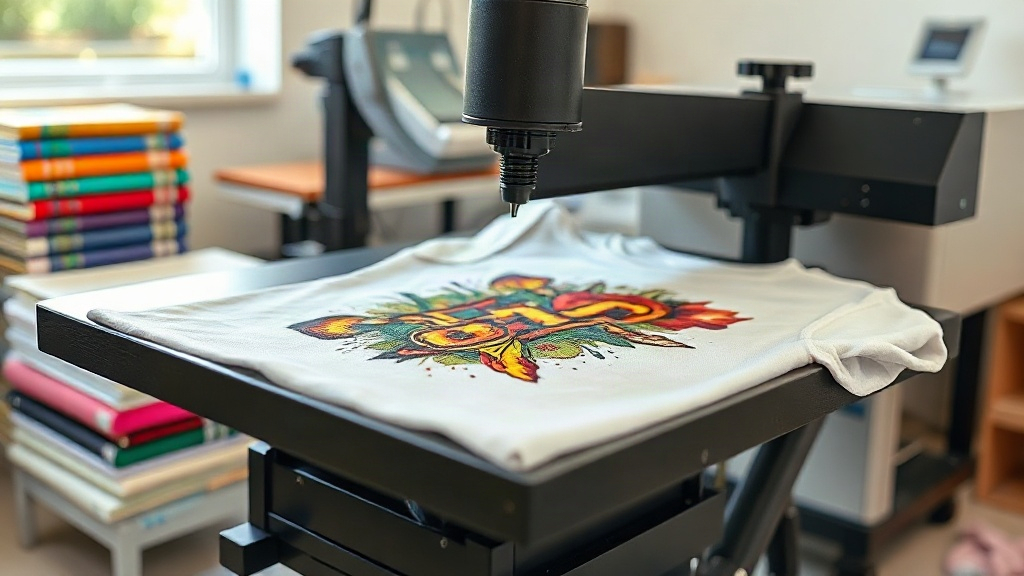
If you've been exploring custom apparel printing, you've likely heard about DTF transfers. This technology is rapidly gaining popularity for its versatility and vibrant results. Unlike traditional methods, DTF transfers allow you to print full-color designs on a wide range of fabrics without the need for weeding or special pretreatment. In this guide, I'll walk you through everything you need to know to get started with DTF transfers, from understanding the process to achieving professional-quality prints at home.
What Are DTF Transfers?
DTF transfers (Direct to Film) are a type of heat transfer that involves printing your design onto a special film, coating it with adhesive powder, and then pressing it onto your garment. The process begins with a digital printer that lays down CMYK plus white ink onto a PET film. The white ink acts as a base, allowing the colors to pop on both light and dark fabrics. After printing, a thermoplastic polyurethane (TPU) powder is applied to the wet ink, which serves as the adhesive when heat-pressed. Once the powder is cured, the transfer is ready to be applied to a shirt, hoodie, tote bag, or almost any fabric.
What sets DTF apart from other methods like DTG or screen printing is its ability to produce fine details and gradients without color limitations. Plus, because the design sits on top of the fabric, it works well on cotton, polyester, blends, and even treated leather. The transfers are also stretchable and durable, making them ideal for activewear and garments that endure frequent washing.
Why Choose DTF Transfers Over Other Methods?
When you're deciding on a printing method, consider your fabric types, design complexity, and production volume. Here's how DTF stacks up:
- No color restrictions: Unlike screen printing, which requires a separate screen for each color, DTF can print unlimited colors in one go.
- No weeding: With vinyl, you must cut and weed the design manually. DTF transfers arrive ready to press, saving hours of labor.
- Works on various fabrics: DTG often requires 100% cotton, but DTF adheres to cotton, polyester, blends, and more.
- Durability: When applied correctly, DTF prints withstand dozens of washes without fading or cracking.
- Cost-effective for small batches: No setup fees or minimum orders, making it perfect for one-off custom items.
I've used DTF transfers for everything from team jerseys to personalized gifts, and the results have consistently impressed me. The colors are vivid, the details are sharp, and the feel is soft once pressed.
How to Apply DTF Transfers: Step-by-Step
Applying a DTF transfer is straightforward, but following the right steps ensures a long-lasting print. Here's my tried-and-true method:
- Preheat your heat press: Set the temperature to 325°F (160°C) for cotton or 300°F (150°C) for polyester. Preheat for at least 30 seconds to ensure even heat.
- Pre-press the garment: This removes moisture and wrinkles. Press for 5-10 seconds.
- Position the transfer: Place the DTF transfer on the garment with the printed side facing up. If your transfer has a white backing, that's the side that goes against the fabric.
- Press: Apply medium pressure for 15-20 seconds. For best results, use a heat press rather than an iron, as consistent pressure is key.
- Peel: Wait for the transfer to cool completely (cold peel) before removing the film. Some films are hot peel, so check your supplier's instructions.
- Post-press (optional): For added durability, cover the design with parchment paper and press again for 5-10 seconds.
I remember my first attempt at DTF: I was too eager and peeled the film while it was still hot, which caused the edges to lift. Lesson learned—patience pays off.
Common Mistakes and How to Avoid Them
Even with a simple process, things can go wrong. Here are pitfalls I've encountered and how to sidestep them:
- Insufficient pressure: If the transfer doesn't adhere fully, it may peel off after washing. Adjust your press to medium-firm pressure.
- Wrong temperature: Too hot and the film may scorch; too cool and the adhesive won't activate. Invest in an infrared thermometer to verify.
- Peeling too soon: Unless specified as hot peel, always wait for the transfer to cool. This prevents stretching and ensures clean release.
- Ignoring fabric type: Polyester requires lower temperatures to avoid dye migration. Use a lower temp and a cover sheet if needed.
- Poor storage: Store unused transfers in a cool, dry place away from direct sunlight. Moisture can ruin the adhesive powder.
DTF Transfers vs. Other Heat Transfer Methods
To help you choose, here's a quick comparison:
- DTF vs. Vinyl: Vinyl is great for simple one-color designs but can't handle gradients or photos. DTF excels at complex artwork.
- DTF vs. DTG: DTG prints directly onto the garment, which is excellent for 100% cotton but less vibrant on dark colors. DTF uses a white base for opacity on any color.
- DTF vs. Screen Printing: Screen printing is cost-effective for large orders but has setup costs and color limits. DTF is ideal for small batches and detailed designs.
In my experience, DTF offers the best balance of quality and flexibility for a small business or hobbyist.
Frequently Asked Questions About DTF Transfers
How long do DTF transfers last?
With proper application and care, DTF transfers can last 50+ washes. Turn the garment inside out and wash in cold water to extend the life.
Can I use DTF transfers on dark colors?
Absolutely. The white ink layer in DTF transfers provides a bright base, so colors remain vibrant on black, navy, and other dark fabrics.
Do I need a special printer for DTF?
Yes, DTF requires a printer with white ink capability and DTF-specific inks. You can also buy pre-printed transfers from suppliers if you don't want to invest in a printer.
What fabrics work best with DTF?
Cotton, polyester, blends, and even leather work well. For stretchy fabrics, ensure the transfer is stretched slightly before pressing to match the garment's elasticity.
Can I layer DTF transfers?
Yes, you can layer multiple transfers, but press each layer separately and ensure the first layer is cool before adding the next.
Final Thoughts
DTF transfers have opened up a world of possibilities for custom apparel. Whether you're a hobbyist or a small business owner, this method delivers professional results without the complexity of traditional printing. By following the steps and tips above, you'll be creating stunning, durable prints in no time. Remember, practice makes perfect, so don't be discouraged by initial mishaps. Happy pressing!