
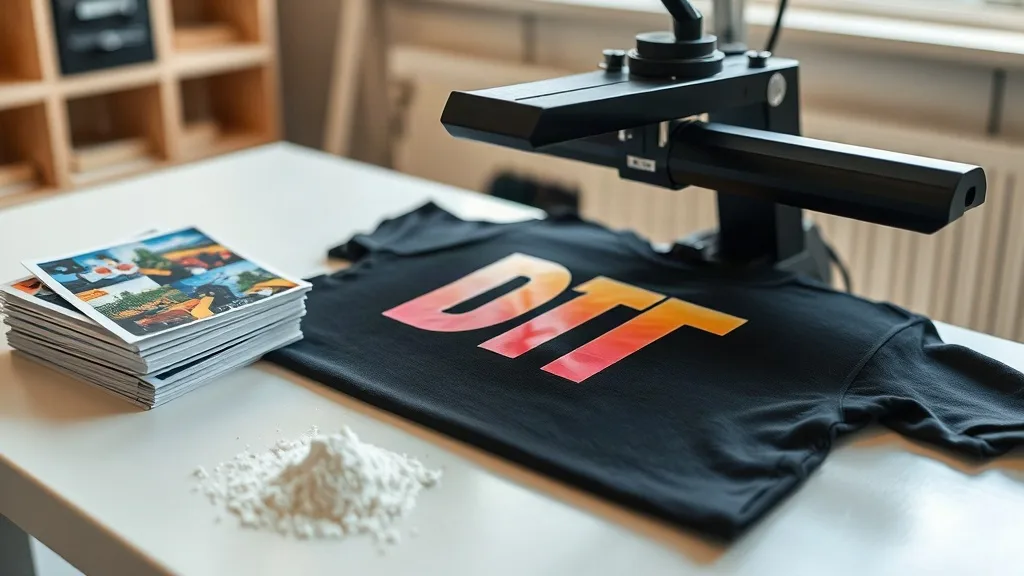
Custom apparel has never been more accessible, thanks to dtf transfers. Whether you're a small business owner, a hobbyist, or someone looking to create personalized gifts, understanding DTF technology can save you time and money while delivering professional-quality results. In this guide, we'll walk you through everything you need to know about DTF transfers, from the basics to advanced tips, so you can achieve vibrant, durable prints on a wide range of fabrics.
What Are DTF Transfers?
DTF stands for Direct-to-Film. It's a printing method where your design is printed onto a special film, then coated with a powder adhesive and cured. The result is a transfer that can be heat-pressed onto fabrics. Unlike DTG (Direct-to-Garment) printing, which requires specialized printers and is typically limited to cotton, DTF works on almost any fabric, including polyester, blends, and even dark colors. The process is relatively simple: print, powder, cure, and press. This makes dtf a versatile and cost-effective solution for custom apparel.
The DTF Printing Process Step by Step
Here's a breakdown of the DTF process:
- Design Preparation: Create your artwork and mirror it horizontally. This is crucial because the transfer will be flipped when pressed.
- Printing: Use a DTF printer with DTF ink to print the design onto DTF film. The printer lays down a layer of white ink first (for opacity) followed by color inks.
- Powdering: While the ink is still wet, apply DTF adhesive powder evenly over the design. Shake off excess powder.
- Curing: Melt the powder using a heat press or oven until it becomes glossy. This activates the adhesive.
- Pressing: Place the transfer on your fabric and heat press according to the recommended settings. Once cool, peel the film off.
Each step requires attention to detail, but with practice, you'll master the workflow.
Why Choose DTF Transfers?
There are several reasons why DTF has become a popular choice among crafters and professionals:
- Fabric Versatility: Works on cotton, polyester, blends, and even nylon. No need for pre-treatment.
- Color Vibrancy: DTF prints are bright and detailed, with excellent color reproduction.
- Durability: When applied correctly, DTF transfers withstand multiple washes without fading or cracking.
- Cost-Effective for Small Runs: Unlike screen printing, which has high setup costs, DTF is economical for one-off designs or small batches.
- No Weeding: Unlike vinyl, there's no tedious weeding process.
For those looking to offer custom apparel, DTF opens up possibilities that were previously challenging or expensive.
DTF vs. Other Printing Methods
Understanding how DTF compares to other common printing methods can help you choose the right one for your needs.
DTF vs. DTG
DTG (Direct-to-Garment) printing is excellent for detailed designs on cotton, but it requires pre-treatment and is less suitable for polyester. DTF, on the other hand, doesn't require pre-treatment and works on a wider range of fabrics. DTF also tends to have a softer hand feel after washing, although initially, it might feel slightly stiffer due to the adhesive powder.
DTF vs. Screen Printing
Screen printing is cost-effective for large orders but has high setup costs and is impractical for small batches. DTF is ideal for small to medium runs and offers full-color printing without the need for multiple screens. However, for very large orders, screen printing can be more economical per unit.
DTF vs. Vinyl
Heat transfer vinyl (HTV) is great for simple designs but requires weeding and layering for multi-color designs. DTF allows you to print complex, multi-color designs in one go, saving time and reducing waste. DTF also adheres well to difficult fabrics like polyester, where vinyl might not stick.
Getting Started with DTF: What You Need
To begin with DTF, you'll need a few essentials:
- DTF Printer: A dedicated DTF printer or a converted inkjet printer with DTF ink. Epson models are popular for conversions.
- DTF Ink: Specifically formulated pigment inks for DTF.
- DTF Film: Either cold or hot peel, depending on your preference.
- Adhesive Powder: Usually TPU-based, available in fine or coarse grades.
- Heat Press: A reliable heat press is crucial for curing and pressing.
- Design Software: Any graphic design software like Photoshop, Illustrator, or free alternatives like GIMP or Inkscape.
If you're not ready to invest in a printer, you can buy pre-printed DTF transfers from suppliers. A quick search for dtf transfers near me can help you find local sources or online stores that ship quickly.
Tips for Flawless DTF Transfers
Achieving professional results with DTF requires attention to detail. Here are some tips to help you succeed:
- Mirror Your Design: Always flip your artwork horizontally before printing. This is a common mistake that leads to wasted materials.
- Control Moisture: DTF film and powder are sensitive to humidity. Store them in a dry place and use a dehumidifier if necessary.
- Preheat Your Fabric: Before pressing, preheat the garment for a few seconds to remove wrinkles and moisture. This improves adhesion.
- Use the Right Pressure: Medium to heavy pressure is typically needed for DTF. Adjust based on your heat press and fabric.
- Peel Correctly: Follow the film's instructions for hot or cold peel. Peeling too early or too late can affect the finish.
- Wash Inside Out: To prolong the life of your DTF prints, wash garments inside out in cold water and tumble dry low.
These small practices can make a big difference in the quality and longevity of your transfers.
Common DTF Problems and How to Fix Them
Even with experience, issues can arise. Here are some common problems and solutions:
Transfer Not Adhering
If the transfer peels off, it could be due to insufficient pressure, incorrect temperature, or pressing time. Double-check your heat press settings and ensure even pressure across the platen.
Color Fading After Wash
Fading can occur if the powder wasn't fully cured or if the garment was washed in hot water. Ensure proper curing and follow care instructions.
Stiff Hand Feel
DTF prints can feel stiff initially, especially with heavy powder application. Use fine powder and avoid over-powdering. The feel improves after washing.
Film Sticking to Press
Use a protective sheet or parchment paper between the transfer and the heat press platen to prevent sticking.
Applications of DTF Transfers
DTF is incredibly versatile. Here are some popular applications:
- Custom T-Shirts: Perfect for personalized tees for events, teams, or businesses.
- Hoodies and Sweatshirts: DTF works well on thicker fabrics.
- Tote Bags: Create custom bags with detailed designs.
- Sportswear: DTF adheres to polyester and stretch fabrics, making it great for jerseys.
- Corporate Apparel: Brand uniforms with logos and names.
The possibilities are endless, limited only by your creativity.
Frequently Asked Questions
What fabrics can I use with DTF transfers?
DTF transfers work on a wide range of fabrics, including cotton, polyester, blends, nylon, and even leather. They are particularly effective on dark and synthetic fabrics where other methods may struggle.
How long do DTF transfers last?
When applied correctly and cared for properly, DTF transfers can last as long as the garment itself. They are durable through many washes, typically 50+ cycles, without significant fading or cracking.
Do I need a special printer for DTF?
You can use a dedicated DTF printer or convert a standard inkjet printer (like certain Epson models) to use DTF ink. However, dedicated printers are recommended for consistent results and less maintenance.
Can I use DTF on 100% polyester?
Yes, DTF adheres well to polyester and other synthetic fabrics. In fact, it's one of the best methods for polyester because it doesn't require the fabric to absorb the ink like DTG does.
What is the difference between hot peel and cold peel DTF film?
Hot peel film allows you to remove the film immediately after pressing while it's still hot, resulting in a slightly glossier finish. Cold peel requires you to wait until the transfer cools completely before peeling, which can give a more matte finish. Both work well; it's a matter of preference.
DTF transfers have revolutionized the custom apparel industry by making it accessible and affordable for anyone to create professional-grade prints. With the right knowledge and a bit of practice, you can achieve stunning results that impress your customers or gift recipients. So why not give DTF a try? Your creativity is the only limit.