
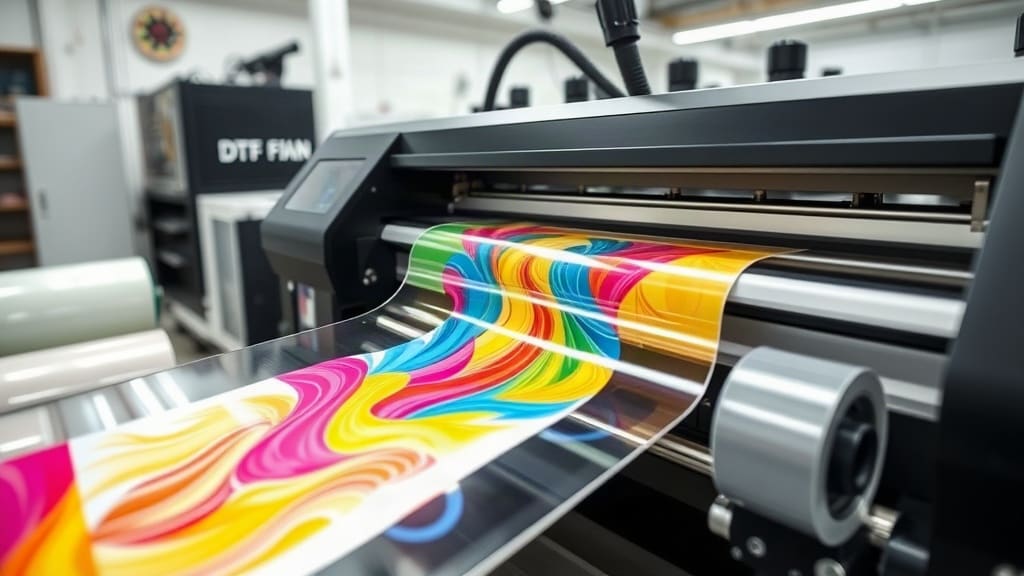
If you're looking for a versatile and cost-effective way to create custom apparel, DTF transfers might be exactly what you need. Whether you're a small business owner, a print shop pro, or a DIY enthusiast, this technology has revolutionized the way we produce vibrant, durable prints on a variety of fabrics. In this guide, we'll dive deep into what DTF (Direct to Film) transfers are, how they work, and why they've become a favorite among printers worldwide. We'll also share practical tips to help you get the best results every time.
What Are DTF Transfers?
DTF, or Direct to Film, is a printing method where a design is printed onto a special PET film using a DTF printer and pigment-based inks. The printed film is then coated with an adhesive powder, which is melted to create a sticky layer. After that, the film is transferred onto a substrate using a heat press. The result is a vibrant, flexible, and durable print that can be applied to various materials, including cotton, polyester, blends, and even leather.
Unlike traditional screen printing or vinyl, DTF transfers offer a digital solution that doesn't require screens or cutting. This makes it an excellent choice for detailed designs, small runs, and custom orders.
How Do DTF Transfers Work?
The process might seem complex, but it's surprisingly straightforward. Let's break it down step by step:
- Design Creation: You start with a digital design that is mirror-image (as it will be flipped during transfer). The design is printed onto a special film using a DTF printer.
- Ink Application: The printer uses CMYK plus white ink. The white ink acts as a base, making the design opaque and vibrant, especially on dark fabrics.
- Adhesive Powder: While the ink is still wet, a hot-melt adhesive powder is applied to the film. The powder is evenly distributed and then heated to melt it, creating a bond.
- Heat Press Transfer: The film is placed on the fabric, adhesive side down, and pressed with a heat press at a temperature typically between 300°F and 320°F for about 10-15 seconds.
- Peeling: After pressing, the film is peeled away, leaving the ink on the fabric. And voilà, your custom print is ready!
Benefits of DTF Transfers
Why are DTF transfers gaining so much popularity? Here are some key advantages:
- Versatility: You can print on a wide range of fabrics, including blends, without the need for special pretreatments.
- Durability: The prints are stretchable and can withstand multiple washes without cracking or fading.
- Soft Hand Feel: Unlike vinyl, DTF prints are soft to the touch, making them comfortable to wear.
- Cost-Effective for Small Runs: No setup fees or minimum orders, making it perfect for custom orders and small batches.
- High Detail: The digital printing process allows for intricate designs with smooth gradients and fine lines.
- Ease of Use: Once you have the equipment, the process is relatively simple and requires minimal training.
DTF vs. Other Printing Methods
To fully appreciate DTF transfers, it helps to compare them with other popular methods like screen printing and direct-to-garment (DTG) printing.
DTF vs. Screen Printing
Screen printing is a traditional method that requires creating a separate screen for each color in your design. This makes it ideal for large quantities of simple designs. However, it's not practical for detailed, multi-colored designs or small orders. DTF, on the other hand, doesn't require screens, and you can print any design directly from your computer. For small to medium runs, DTF is more cost-effective and offers greater flexibility.
DTF vs. Direct-to-Garment (DTG)
DTG printing involves printing directly onto the garment using an inkjet printer. While DTG produces excellent results, it can be slow for bulk orders and may require pretreatment on certain fabrics. DTF transfers can be printed in advance and applied as needed, making them a more efficient option for on-demand production. Additionally, DTF transfers work better on polyester and blends, whereas DTG is typically best on 100% cotton.
Tips for Perfect DTF Transfers
Getting the best results with DTF transfers requires attention to detail. Here are some professional tips to ensure your prints come out vibrant and durable:
- Use High-Quality Films and Inks: Invest in reputable brands for your PET film and ink. Cheaper options may save money initially but can lead to poor adhesion and fading.
- Proper Powder Application: Ensure the adhesive powder is evenly applied and not too thick. Excess powder can cause a rough texture and affect the print's flexibility.
- Heat Press Settings: Follow the recommended temperature and pressure for your specific film and powder. Usually, a medium pressure with a temperature around 320°F for 15 seconds works well.
- Test on Fabric: Always do a test print on the actual fabric type you'll be using. Different materials may require slight adjustments.
- Mirror Your Design: Since the transfer is flipped, remember to print a mirror image of your design. This is a common mistake for beginners.
- Peel Cold: Some films require hot peeling, but many DTF transfers peel better when the film has cooled slightly. Check the manufacturer's instructions.
Common Applications of DTF Transfers
DTF transfers are incredibly versatile and can be used for a wide range of products:
- T-shirts, hoodies, and sweatshirts
- Polos and sportswear
- Workwear and uniforms
- Bags and backpacks
- Hats and caps
- Custom socks
- Aprons and other promotional items
Because the transfers are so durable, they're suitable for items that undergo frequent washing and wear.
How to Start with DTF Transfers
If you're ready to jump into the world of DTF, here's what you'll need:
- A DTF Printer: You can convert a compatible Epson printer with a DTF conversion kit, or purchase a dedicated DTF printer. These printers use specialized inks and are equipped with a white ink circulation system.
- PET Film: This is the transfer film that carries your design.
- Hot Melt Adhesive Powder: This powder activates when heated to bind the ink to the fabric.
- Heat Press: A clamshell or swing-away press works well for applying the transfers.
- Shaker and Curing Oven: To apply the powder and cure it, you'll need a powder shaker and a curing oven or a heat gun.
If you're not ready to invest in equipment, you can also purchase pre-printed DTF transfers from a supplier like DTF Press Hub. This way, you can apply custom designs using just a heat press, making it accessible for small businesses and hobbyists.
Frequently Asked Questions
How many washes can DTF transfers withstand?
High-quality DTF transfers can withstand 50 or more washes when applied and cared for properly. Always wash garments inside out in cold water and avoid using bleach or fabric softeners to extend the life of the print.
Can DTF transfers be applied to dark-colored fabrics?
Absolutely! One of the major advantages of DTF is that the white ink base makes the design opaque, allowing vibrant colors to show up on even the darkest fabrics. Just ensure you use a high-opacity white ink and proper curing.
What temperature and pressure should I use for DTF transfers?
Typically, you'll want to use a heat press set between 300°F and 320°F (about 150-160°C) with medium to firm pressure. Press for about 10-15 seconds, depending on the fabric and film. Always test on a scrap piece first.
Can I use DTF transfers on stretchy fabrics like spandex?
Yes, DTF transfers are known for their excellent stretchability. The adhesive and ink are designed to flex with the fabric, making them suitable for activewear and other stretchy materials. Just be sure to use a low-stretch film and follow the manufacturer's recommendations.
Do I need to pretreat the fabric before applying DTF transfers?
No, unlike DTG printing, DTF transfers do not require any pretreatment on the fabric. The adhesive powder bonds directly to the fibers, making the process quicker and more convenient.
Final Thoughts
DTF transfers have truly transformed the custom apparel industry, offering a blend of quality, versatility, and ease that is hard to beat. Whether you're creating merchandise for your brand, personalized gifts, or adding a new revenue stream to your print shop, DTF is a smart choice. With the right equipment and a bit of practice, you can produce professional-looking prints that your customers will love.
If you're looking to get started, consider exploring the range of DTF transfers and supplies available at dtfpresshub.com. They offer high-quality products and support to help you achieve outstanding results. Happy printing!