
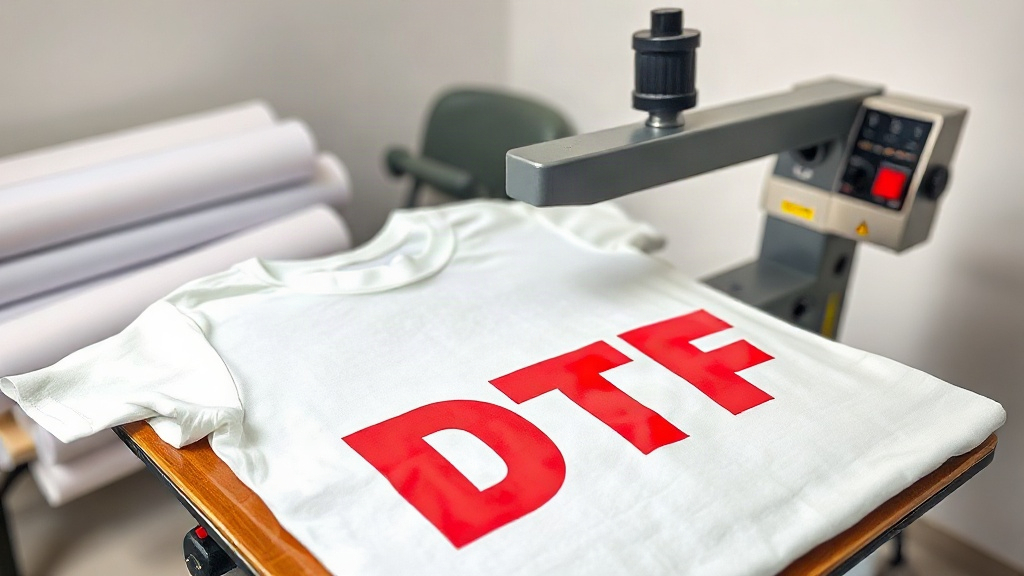
Custom apparel has never been more accessible, thanks to DTF Transfers. Whether you're a small business owner, a hobbyist, or just someone who loves personalized gear, DTF transfers offer a game-changing way to bring your designs to life. Unlike traditional methods that require multiple steps and specialized equipment, DTF transfers streamline the process while delivering exceptional quality. In this guide, we'll dive deep into what DTF transfers are, how they work, and why they might be the perfect solution for your next project.
What Are DTF Transfers?
DTF stands for Direct to Film. It's a printing technology where your design is printed onto a special film, coated with a powder adhesive, and then heat-pressed onto fabric. The result is a vibrant, durable transfer that bonds permanently to the material. Unlike DTG (Direct to Garment) printing, which requires the garment to be pre-treated and printed directly, DTF transfers are printed separately and can be applied to a wide range of fabrics, including cotton, polyester, and blends. This flexibility makes DTF Transfers a favorite among custom apparel creators.
How DTF Transfers Work: Step by Step
Understanding the process helps you appreciate the magic behind DTF transfers. Here's a breakdown of the steps involved:
- Design Preparation: Your artwork is prepared digitally, ensuring it's mirrored and sized correctly.
- Printing: A specialized DTF printer prints the design onto a PET film using CMYK and white inks. The white ink acts as a base, allowing the design to show up on dark fabrics.
- Powdering: While the ink is still wet, a hot-melt adhesive powder is applied evenly over the print.
- Curing: The film passes through a heat source to melt the powder, creating a smooth, dry surface.
- Transfer: The film is placed on the garment and heat-pressed. After cooling, the film is peeled away, leaving the design bonded to the fabric.
Each step is crucial for a flawless finish, but the beauty of DTF transfers is that once the transfer is made, application is quick and easy.
Why Choose DTF Transfers Over Other Methods?
With so many printing options available, you might wonder what sets DTF apart. Here are some compelling reasons:
- Vibrant Colors: DTF transfers produce bright, detailed prints with excellent color accuracy, even on dark garments.
- Fabric Versatility: They work on cotton, polyester, blends, and even treated nylon, unlike some methods that require specific fabric types.
- Durability: When applied correctly, DTF transfers withstand repeated washing without cracking, peeling, or fading.
- No Pre-Treatment: Unlike DTG, you don't need to pre-treat the garment, saving time and money.
- Cost-Effective for Small Runs: DTF transfers are ideal for small batches or one-off items, as there's no minimum order quantity.
- Stretchability: The transfers stretch with the fabric, making them suitable for athletic wear and stretchy materials.
These benefits make DTF Transfers a versatile and reliable choice for both beginners and professionals.
Applications of DTF Transfers
DTF transfers aren't just for t-shirts. Their versatility opens up a world of possibilities:
- Apparel: T-shirts, hoodies, jeans, jackets, and more.
- Accessories: Tote bags, hats, and even shoes.
- Home Decor: Pillows, blankets, and wall hangings.
- Promotional Items: Custom merchandise for events, teams, or businesses.
If you can heat-press it, you can probably DTF it.
How to Apply DTF Transfers: A Step-by-Step Guide
Applying DTF transfers is straightforward, but following the right steps ensures a professional result. Here's how:
- Preheat Your Heat Press: Set the temperature to around 300-325°F (150-160°C).
- Pre-Press the Garment: This removes moisture and wrinkles, creating a smooth surface.
- Position the Transfer: Place the DTF transfer on the garment with the design facing up.
- Press: Apply medium to firm pressure for 10-15 seconds.
- Cool and Peel: Allow the transfer to cool completely before peeling off the film. You can peel it cold or warm, depending on the film type.
- Post-Press (Optional): For extra durability, press again for a few seconds with a protective sheet.
Always test on a scrap piece first to dial in your settings.
Common Mistakes to Avoid with DTF Transfers
Even though DTF is forgiving, avoid these pitfalls:
- Insufficient Pressure: Leads to poor adhesion.
- Wrong Temperature: Too low and the transfer won't stick; too high and you might scorch the fabric.
- Peeling Too Early: Wait for the transfer to cool; peeling hot can cause the design to stretch or smear.
- Ignoring Fabric Type: Some fabrics like nylon require lower temperatures.
- Not Pre-Pressing: Moisture can ruin the transfer.
By avoiding these, you'll get consistent, professional results.
DTF Transfers vs. Other Printing Methods
How does DTF stack up against DTG, screen printing, and vinyl?
- DTF vs. DTG: DTF works on more fabrics and doesn't require pre-treatment, but DTG can be faster for large orders on cotton.
- DTF vs. Screen Printing: Screen printing is cost-effective for large runs but requires setup and is limited to fewer colors. DTF excels for detailed, multi-color designs without setup costs.
- DTF vs. Vinyl: Vinyl is great for simple designs but can't handle complex gradients. DTF handles full-color images with ease.
Each method has its place, but DTF transfers offer a unique blend of versatility and quality.
Tips for Getting the Best Results
To make your DTF transfers shine, follow these expert tips:
- Use High-Quality Films and Powders: Cheap supplies can lead to poor adhesion and dull colors.
- Store Transfers Properly: Keep them in a cool, dry place away from direct sunlight.
- Calibrate Your Heat Press: Use a temperature gun to ensure accuracy.
- Test Wash: After applying, wash the garment inside out in cold water and hang dry to prolong life.
- Experiment with Fabrics: Try different materials to understand how DTF behaves.
These small practices make a big difference in longevity and appearance.
Frequently Asked Questions About DTF Transfers
How long do DTF transfers last?
With proper application and care, DTF transfers can last 50+ washes without fading or cracking. Always follow washing instructions: cold water, inside out, no bleach.
Can I use DTF transfers on polyester?
Yes, DTF transfers work beautifully on polyester and blends. Just adjust temperature settings to avoid scorching.
Do I need a special printer for DTF?
Yes, you need a DTF printer that uses pigment inks and can print white. However, you can also buy pre-made transfers from suppliers if you don't want to invest in a printer.
What's the difference between DTF and DTG?
DTF transfers are printed on film and then applied, while DTG prints directly onto the garment. DTF works on more fabrics and doesn't require pre-treatment.
Can I stretch DTF transfers?
Absolutely. DTF transfers are flexible and stretch with the fabric, making them ideal for athletic wear.
Final Thoughts
DTF Transfers have opened up new possibilities for custom apparel. Their ease of use, versatility, and professional results make them a top choice for creators at any level. Whether you're printing a single shirt or starting a business, DTF technology delivers. So why not give it a try? Your designs deserve the best, and DTF transfers are here to make them shine.