
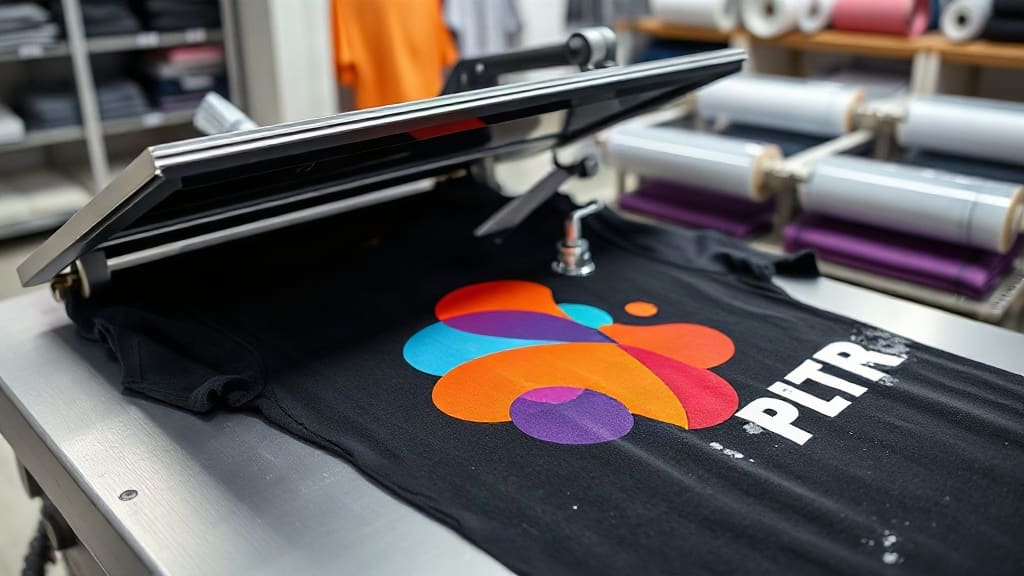
If you are looking for a versatile and cost-effective way to create custom apparel, DTF transfers might be the solution you have been searching for. This printing method has taken the industry by storm, offering a fantastic alternative to traditional techniques like screen printing and heat transfer vinyl. In this comprehensive guide, we will dive deep into what DTF transfers are, how they work, their many benefits, and how you can use them to elevate your printing game. Whether you are a seasoned professional or just starting out, you will find valuable insights and practical tips to make the most of this innovative technology.
What Are DTF Transfers?
DTF stands for Direct to Film. It is a printing technique where a design is printed onto a special PET film using a DTF printer and pigmented inks, then coated with a hot-melt adhesive powder. The film is then transferred onto a substrate, typically fabric, using a heat press. The result is a vibrant, durable print that can be applied to a wide range of materials, including cotton, polyester, blends, and even hard surfaces like wood or metal.
The process begins with creating or selecting a digital design. The design is printed in reverse on the film, which is then covered with adhesive powder that sticks only to the printed areas. After curing the powder, the film is ready for transfer. When you heat press the film onto a garment, the adhesive melts and bonds the ink to the fabric, creating a seamless and stretchable print.
How Does DTF Transfer Work?
To fully grasp the magic behind DTF transfers, it helps to break down the step-by-step process:
- Printing: A specialized DTF printer prints the design onto a roll of PET film. The printer uses CMYK plus white ink to ensure opacity on dark or colored garments. The design is printed in reverse because it will be transferred face down.
- Adhesive Application: After printing, a hot-melt adhesive powder is applied to the wet ink. This powder is available in various particle sizes and is typically applied using a shaker or an automatic powder machine. Excess powder is removed, leaving a thin layer only on the inked areas.
- Curing: The film is then passed through a dryer or heat tunnel to partially melt the adhesive powder, making it stick firmly to the ink. This step is crucial to prevent the powder from falling off during handling.
- Transfer: The cured film is placed on the garment with the adhesive side facing down. A heat press is used at a specific temperature (around 160-180°C) and pressure for a duration of about 10-15 seconds. The adhesive melts and bonds the ink to the fabric.
- Peeling: After pressing, the film is peeled away (hot or cold, depending on the product), leaving the design permanently embedded in the fabric.
One of the key advantages of DTF is that it allows for intricate, full-color designs with gradients and fine details without the need for expensive screens or vinyl cutting. This makes it an excellent choice for small to medium production runs, personalized items, and on-demand printing.
Why Choose DTF Transfers? The Benefits
The popularity of DTF transfers is no accident. Here are some of the standout benefits that make them a preferred method for many printing businesses:
- Versatility: DTF works on a wide variety of fabrics, including cotton, polyester, blends, nylon, and even some non-fabric surfaces. This makes it ideal for apparel, tote bags, caps, and promotional products.
- Durability: DTF prints are known for their excellent washability and resistance to cracking. The adhesive layer ensures the design stays intact even after multiple washes, making it suitable for everyday wear.
- Soft Hand Feel: Unlike some other transfer methods, DTF produces a soft, flexible print that does not feel heavy or plasticky on the fabric. This enhances comfort and wearability.
- Cost-Effective: With DTF, there is no minimum order quantity, which makes it perfect for single-item orders or small batches. The startup cost is lower than screen printing, and there is minimal waste.
- High Detail and Color Accuracy: The digital printing process allows for vibrant, photo-quality prints with smooth gradients and sharp details, even on dark backgrounds.
- Easy to Use: Once the film is printed and powdered, it can be stored and used whenever needed. This is great for businesses that want to prepare transfers in advance and press them on demand.
DTF Transfers vs. Other Printing Methods
To appreciate the value of DTF, it is helpful to compare it with other popular methods like screen printing, heat transfer vinyl (HTV), and sublimation.
DTF vs. Screen Printing
Screen printing is excellent for large bulk orders with simple designs, but it requires significant setup time and cost. For small quantities or complex, colorful designs, DTF is much more practical and affordable. DTF also offers greater flexibility in terms of color gradients and photographic images.
DTF vs. Heat Transfer Vinyl (HTV)
HTV is limited to solid colors and requires weeding, which is time-consuming for intricate designs. DTF eliminates the weeding process and allows for full-color prints without the hassle. HTV is still great for simple text and logos, but DTF is superior for detailed artwork.
DTF vs. Sublimation
Sublimation is restricted to polyester fabrics and light-colored materials. DTF, on the other hand, works on a broader range of fabrics and colors, making it more versatile. However, sublimation offers a permanent bond that is ideal for all-over prints, while DTF is typically used for smaller designs.
Tips for Achieving the Best Results with DTF Transfers
To get the most out of your DTF transfers, consider these practical tips from experienced printers:
- Use High-Quality Inks and Films: The quality of your consumables directly impacts the final print. Invest in reputable brands that offer good color consistency and adhesion.
- Calibrate Your Printer: Regular maintenance and color calibration ensure accurate color reproduction and prevent clogging.
- Control the Powder Application: Ensure an even coating of adhesive powder. Too much powder will make the print stiff, while too little will result in poor adhesion. Using a professional powder shaker can help.
- Follow Recommended Pressing Parameters: Temperature, pressure, and time vary depending on the garment material. Always test on a sample to find the optimal settings.
- Peel While Hot or Cold?: Some films require hot peeling, others cold. Check the instructions from your film supplier and adjust your process accordingly.
- Pre-Press Your Garments: Pre-pressing removes moisture and wrinkles, ensuring a smoother transfer surface.
- Handle Film Carefully: Avoid touching the printed surface to prevent smudging or contamination.
Common Mistakes to Avoid
Even with a great process, mistakes can happen. Here are some pitfalls to avoid:
- Using the wrong side of the film: Always print on the correct side (usually the rough or coated side). Printing on the wrong side will result in poor ink adhesion and a failed transfer.
- Insufficient curing of adhesive powder: If the powder is not cured enough, it may flake off or not bond properly during pressing.
- Incorrect pressing temperature: Too low temperature means the adhesive won't melt properly; too high can scorch the fabric or film.
- Ignoring garment care instructions: DTF prints can withstand normal washing, but recommend washing inside out in cold water and avoiding bleach.
Frequently Asked Questions About DTF Transfers
Can DTF transfers be used on dark shirts?
Yes, one of the major advantages of DTF is that it works perfectly on dark fabrics. The white ink layer acts as an underbase, ensuring that the colors remain vibrant and opaque even on black or navy shirts. This is possible because the white ink is printed first, followed by the color layers.
How many washes can a DTF print withstand?
A well-applied DTF transfer can withstand 40 to 60 washes or more without significant fading or cracking, provided you follow proper care instructions. Washing inside out in cold water and tumble drying on low heat will extend the life of the print. For best results, avoid using bleach or harsh detergents.
Is DTF transfer cost-effective for small orders?
Absolutely. DTF is highly cost-effective for small orders because there are no set-up fees or minimum quantities. You can print a single design and transfer it onto one garment without having to worry about bulk requirements. This makes it perfect for entrepreneurs, small businesses, and custom gift creators.
Can I use DTF transfers on materials other than cotton?
Yes, DTF transfers can be applied to a wide range of fabrics, including polyester, nylon, blends, and even leather or denim. However, the pressing conditions may vary, and it is always recommended to test on a scrap piece first. The versatility of DTF is one of its biggest selling points.
Do I need a special printer for DTF transfers?
Yes, you need a DTF printer that is equipped to handle PET film and uses DTF-specific inks. Many popular eco-solvent or inkjet printers can be converted to DTF with the right setup, but it is often simpler to purchase a dedicated DTF printer. These printers come with features like white ink circulation to prevent clogging.
In conclusion, DTF transfers offer an incredible opportunity for anyone involved in custom apparel. They combine the best of digital printing and heat transfer, providing high-quality, durable, and versatile prints that are accessible to businesses of all sizes. By understanding the process, investing in the right equipment and consumables, and following best practices, you can create stunning products that delight your customers and keep them coming back for more. So why not give DTF a try? Your next masterpiece could be just a press away.