
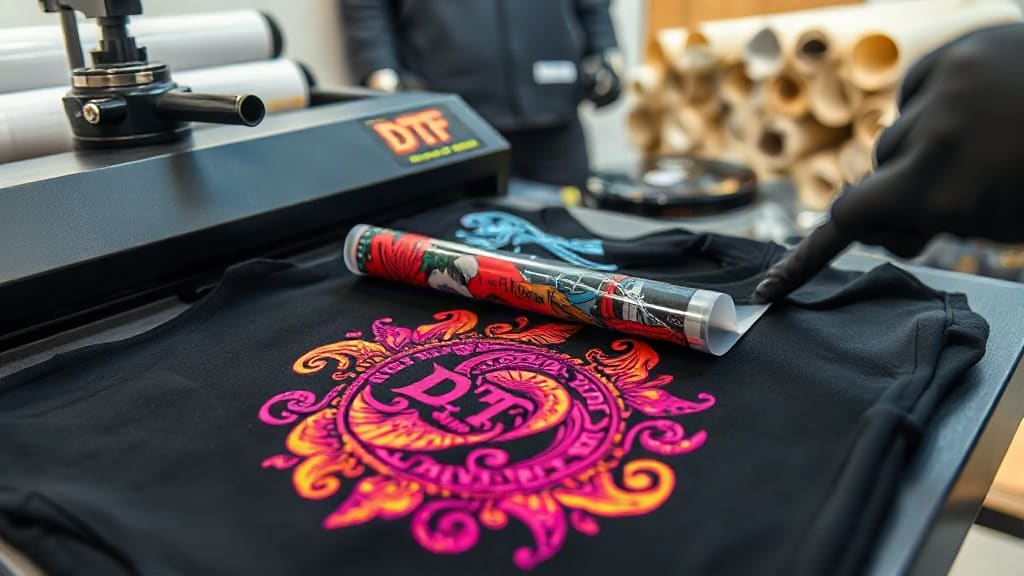
DTF transfers have revolutionized the custom apparel industry, offering a versatile and cost-effective way to produce vibrant designs on a wide range of fabrics. Whether you're a small business owner, a DIY crafter, or a printing professional, understanding this technology can open new creative doors. In this guide, we'll walk through everything you need to know: what they are, how they work, why they're so popular, and how to get the best results every time.
What Are DTF Transfers?
DTF stands for Direct to Film. It's a printing method where a design is printed onto a special PET film using a DTF printer and pigment inks. The printed film is then coated with a hot-melt adhesive powder, which is cured, and later heat-pressed onto a garment. The result is a durable, stretchable, and vibrant print that feels like part of the fabric.
Compared to traditional screen printing or vinyl heat transfer, DTF offers several advantages. It allows for full-color prints with no setup fees, making it ideal for small runs and custom orders. It also works on cotton, polyester, blends, and even some hard surfaces like mugs and wood, though apparel is the most common use.
How DTF Transfers Work: Step by Step
Understanding the process helps you troubleshoot and produce better prints. Here's a streamlined breakdown of how DTF transfers are made and applied.
1. Printing the Design
The design is printed in reverse onto a PET film using a DTF printer. These printers are often modified inkjet printers that use CMYK plus white ink. The white ink is crucial because it creates an opaque base that makes colors pop on dark garments.
2. Applying Adhesive Powder
While the ink is still wet, a hot-melt adhesive powder is applied evenly over the printed design. This powder, when melted, bonds the film to the fabric. The powder can be applied manually or with a powder shaker/oven combo for efficiency.
3. Curing the Powder
The film with powder is then heated in an oven or heat press to melt and cure the adhesive. This solidifies the powder into a glue-like layer that will adhere to the fabric when pressed.
4. Pressing the Transfer
Once cured, the transfer film is placed on the garment (design facing up), and heat is applied with a heat press. Typical settings are around 320°F (160°C) for 15 seconds with medium pressure. The heat activates the adhesive, bonding the ink to the fabric.
5. Peeling the Film
After pressing, you peel off the film either hot or cold, depending on the film type. Hot peel is quicker, while cold peel may offer a cleaner release. The result is a vibrant, soft print that can be stretched without cracking.
Why Choose DTF Transfers Over Other Methods?
Many print shops are adopting DTF because it fills a niche that other methods can't. Here are some compelling reasons to consider it for your projects.
No Screen Setup, Low Minimums
Unlike screen printing, which requires creating screens for each color, DTF is digital. This means you can print one item or several hundred without any setup cost. It's perfect for personalized gifts, small batch orders, and testing designs.
Works on Many Fabrics
DTF transfers adhere well to cotton, polyester, nylon, and blends. They also work on denim, canvas, and even leather and some plastics. This versatility makes them a go-to for promotional products and mixed-media projects.
Vibrant Colors and Fine Details
Because DTF uses high-resolution inkjet printing, it can reproduce gradients, shadows, and tiny text with precision. The white ink base ensures that even bright colors pop on black or dark shirts, something vinyl can struggle with.
Durability and Stretchability
DTF prints are known for their excellent washability. The adhesive layer fuses with the fabric fibers, so the print doesn't crack or peel easily. It stretches with the garment, making it ideal for activewear and children's clothing.
How to Get the Best Results with DTF Transfers
Success with DTF transfers depends on several factors. Here are expert tips to ensure your prints come out perfect every time.
Use High-Quality Films and Inks
Not all PET films are created equal. Look for films with a matte surface for better ink adhesion and a clear release liner that peels easily. Similarly, use pigment inks specifically formulated for DTF, as they offer better color gamut and wash fastness.
Calibrate Your Printer and Profiles
Color management is vital. Use ICC profiles for your printer and ink to ensure accurate colors. Calibrate your printer regularly to avoid banding or color shifts.
Apply the Right Amount of Adhesive Powder
Too little powder results in poor adhesion, while too much can cause a plastic-like feel. Use a shaker with a mesh screen and ensure even coverage. For dark fabrics, you might need a bit more powder, but avoid overdoing it.
Master the Heat Press Settings
Temperature, pressure, and time are the holy trinity. Test with your specific film and garment. Usually, 300-320°F (150-160°C) for 10-20 seconds with medium pressure works. But always do a test print to dial in the perfect settings.
Press with a Silicone Pad or Teflon Sheet
To avoid ghosting or uneven pressure, place a silicone pad or Teflon sheet over the transfer before pressing. This also protects the film from sticking to the heat platen.
Pre-press Your Garments
Moisture and wrinkles can affect adhesion. Pre-press the garment for a few seconds to remove moisture and smooth out wrinkles. This ensures a clean bond.
Common Mistakes to Avoid
Even experienced printers can make errors. Here are pitfalls to avoid when working with DTF transfers.
Using Wrong Film for Your Ink
Some films are designed for solvent or UV inks, not water-based pigment inks. Using the wrong film can cause ink to bleed or not adhere properly. Always use film specified for DTF pigment inks.
Skipping the Curing Step
If you don't cure the adhesive powder properly, it won't activate during the press, leading to poor adhesion. Ensure the powder is fully melted and glossy before storing the transfer.
Pressing at Too High Temperature
Excessive heat can scorch the fabric or cause the adhesive to bleed through. Stick to recommended temperatures and avoid over-pressing.
Peeling Too Early or Too Late
Peel time affects the finish. Some films are designed for hot peel, others for cold. If you peel too early on a cold-peel film, you might pull away some ink. Conversely, waiting too long on a hot-peel film can make peeling difficult.
Creative Applications for DTF Transfers
Beyond basic T-shirts, DTF opens up creative possibilities. Here are some ideas to inspire your next project.
Custom Sportswear and Team Uniforms
Because DTF prints are stretchable and durable, they're perfect for jerseys, leggings, and other performance apparel. You can print names, numbers, and logos with ease.
Personalized Gifts and Promotional Items
From tote bags to pillowcases, DTF transfers can be applied to many surfaces. Create custom mugs, phone cases, or even wooden signs for a unique gift.
Fashion Apparel and Streetwear
Designers love DTF for its ability to produce intricate, colorful artworks on demand. You can test new designs without large inventory investments.
Recreating Vintage and Retro Styles
DTF can replicate the look of distressed prints with proper design work. It's an excellent choice for vintage-style graphics that need a soft feel.
Frequently Asked Questions About DTF Transfers
How long do DTF transfers last?
With proper application and care, DTF transfers can last as long as the garment itself. They withstand 50+ washes without significant fading or cracking if you follow the recommended washing instructions: wash inside out in cold water and tumble dry low.
Can I use DTF transfers on both light and dark fabrics?
Yes, that's one of the major advantages. The white ink layer ensures that colors stay vibrant on dark fabrics, while on light fabrics, you can opt for a slightly thinner white layer to maintain a soft hand feel.
What is the difference between DTF and DTG printing?
DTG (Direct to Garment) prints directly onto the fabric, which works well for cotton but not for polyester. DTF prints onto a film that is then transferred, allowing it to work on synthetics and blends. DTF also offers a softer feel and better stretchability.
Do I need a special printer for DTF transfers?
Yes, you need a printer that can handle white pigment ink, as standard inkjet printers can't print white. Many DTF printers are converted from standard models, but you can also buy dedicated DTF printers from manufacturers like Epson and Brother.
Can I outsource DTF transfer production?
Absolutely. Many companies offer DTF transfer printing services where you send your designs and receive ready-to-press transfers. This is a great option if you don't want to invest in equipment. Just provide your designs in the required format, and they'll handle the rest.
Final Thoughts
DTF transfers have changed the game for custom apparel. They offer unmatched flexibility, quality, and ease of use. Whether you're just starting out or looking to expand your printing capabilities, DTF is a smart investment. With the right equipment and a bit of practice, you'll be producing stunning prints that wow your customers and keep them coming back for more.