
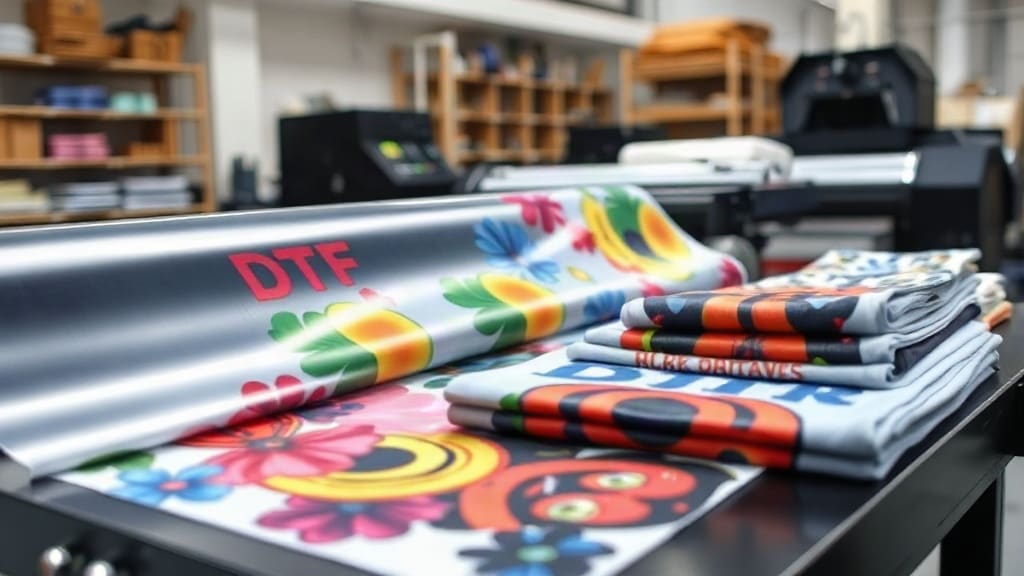
Direct-to-film (DTF) printing has taken the custom apparel world by storm, and for good reason. If you're searching for DTF transfers, you know the appeal: they work on a wide range of fabrics, stretch well, and produce vibrant colors. But the real challenge is finding a provider that delivers quality. When you type "dtf transfers near me" into a search engine, you get a long list of options, but how do you separate the pros from the amateurs? I've been in the printing game for over a decade, and I've learned what separates a great transfer from a waste of money. In this guide, I'll walk you through everything you need to know to find local DTF transfers that meet your standards.
What Exactly Are DTF Transfers?
DTF printing involves printing your design onto a special PET film, applying adhesive powder, and then curing it. The resulting transfer is then pressed onto a garment using heat and pressure. Unlike vinyl, DTF transfers can handle intricate details and gradients. They also stick to fabrics that vinyl struggles with, like nylon and polyester blends. This versatility is why many small businesses and hobbyists are switching to DTF.
Why Look for Local DTF Transfers?
You might wonder, why not just order online from a big company? While that's possible, there are several benefits to finding a provider nearby. First, you can see and feel the product before you buy. If you visit a local shop, you can request samples and check the quality firsthand. Second, you avoid shipping costs and wait times. If you need a rush order, a local provider might be able to help. Third, you build a relationship. When you work with someone in your community, you get personalized customer service, and they're more likely to work with you on revisions and bulk discounts.
How to Find Reliable DTF Transfer Providers Near You
Start by doing a simple search for "dtf transfers near me" on Google. But don't just pick the first result. Look at the reviews, check their website, and see if they have a physical storefront. A professional provider will have a portfolio of their work. You can also ask for recommendations from other crafters or local business groups on social media. Once you have a shortlist, contact them and ask about their process, pricing, and turnaround times.
Questions to Ask Before You Order
- What types of DTF films do you use? This can affect durability and stretch.
- Do you offer samples? If not, be cautious.
- What is your minimum order quantity? Some places require a bulk order, which might not be suitable for small projects.
- How do you handle color matching? If you need a specific Pantone color, make sure they can match it.
- What are your turnaround times? If you need something quickly, ask about rush options.
What Does Quality DTF Transfer Look Like?
Not all DTF transfers are created equal. A quality transfer has a smooth, matte finish and doesn't feel rubbery or thick. The adhesive layer should be even, and the design should be crisp with no smudges or streaks. When pressed, it should not crack or peel easily. I've seen some transfers that looked great initially but started flaking after a few washes. To avoid this, look for a provider that uses high-quality inks and powder.
The Role of Film and Adhesive Powder
The type of film used affects how well the transfer adheres. Some films are thicker and more durable, while others are thinner and more flexible. The adhesive powder is what actually bonds the design to the fabric. If too much powder is applied, the transfer feels stiff; too little, and it won't stick well. A good provider will have found the right balance.
Printing Techniques: DTF vs. Other Methods
You might be comparing DTF to screen printing or sublimation. Screen printing is great for large orders with few colors, but it's not practical for small batches or complex designs. Sublimation works on polyester only and leaves a white background if not done correctly. DTF offers more flexibility, which is why it's become so popular for on-demand printing.
Tips for Ordering DTF Transfers Locally
Once you've found a potential provider, here are some practical tips to ensure a smooth experience. Bring your design in a high-resolution format like PNG or PDF. Make sure the artwork is at least 300 DPI to avoid pixelation. Discuss the size and placement of the transfer on the garment. If you're not sure, ask for a proof or a physical sample. Also, ask about the care instructions for the finished product. Most DTF transfers require washing inside out in cold water to extend their life.
How to Test a DTF Transfer
If you're ordering from a local shop, ask if you can purchase a single transfer to test. Apply it to a blank tee and wash it a few times. Check for cracking, fading, or peeling. This is the most reliable way to judge quality. If the transfer survives several washes without significant wear, you've found a good provider.
Common Mistakes to Avoid When Choosing a Provider
One common mistake is choosing based solely on price. The cheapest option might use low-quality materials that won't last. Another is ignoring the fine print about shipping or setup fees. Always ask for a detailed quote. Also, don't assume that a provider with a fancy website is reliable. Look for real customer reviews and ask for references.
Hidden Fees and Minimums
Some providers charge a setup fee for each design, even if it's digital. Others have a minimum order quantity that might be too high for a small business. Ask about these upfront to avoid surprises. Also, check if they charge extra for white ink or special effects like glitter or puff.
Why Local DTF Transfers Are Great for Small Businesses
If you run a small clothing line or a custom apparel shop, local providers can be a lifesaver. You can order small batches to test new designs without committing to huge quantities. You can also iterate quickly. If a design doesn't sell well, you're not stuck with a large inventory. Plus, you support your local economy, which is always a plus.
Frequently Asked Questions
How much do DTF transfers cost on average?
The cost varies depending on the size, complexity, and quantity. For a standard 10x10 inch transfer, you might pay anywhere from $2 to $5 each when ordering in bulk. Small custom orders can be more expensive. Local providers may have different pricing than online stores, so it's best to ask for a quote based on your specific needs.
Can I use DTF transfers on any fabric?
DTF transfers work best on cotton, polyester, and blends. They can also be used on nylon and other synthetics, but the results may vary. It's always a good idea to test on a sample piece of fabric before committing to a full order. Some providers offer guidance on which fabrics they recommend.
How long do DTF transfers last?
With proper application and care, a quality DTF transfer can last for many washes. Expect at least 50 to 100 washes before significant fading or cracking. The key is to use the right heat press settings and follow the care instructions. If you notice peeling after just a few washes, the transfer was likely low quality or applied incorrectly.
Do I need to own a heat press to use DTF transfers?
Yes, you'll need a heat press to apply the transfer. A home iron might not provide enough pressure and heat for a durable bond. You can also use a heat press at a local print shop if you don't have one. Some providers offer application services, but if you're doing it yourself, investing in a good heat press is essential.
What's the difference between DTF and DTG (direct-to-garment) printing?
DTG prints directly onto the garment, which is great for single items but slower for bulk orders. DTF prints onto a film first, which you then transfer. DTF is more versatile because you can print on demand and store the transfers for later use. Both have their pros and cons, but DTF is often preferred for small businesses due to its flexibility.
Making Your Final Decision
Finding the right DTF transfers provider takes a little research, but it's worth the effort. Start by searching for "dtf transfers near me," visit local shops, ask questions, and test their products. Remember to prioritize quality over price, and don't be afraid to ask for samples. With a reliable partner, you can create stunning custom apparel that your customers will love.
I hope this guide helps you navigate the process. If you have any more questions, feel free to reach out to industry forums or local printing groups. Happy printing!