
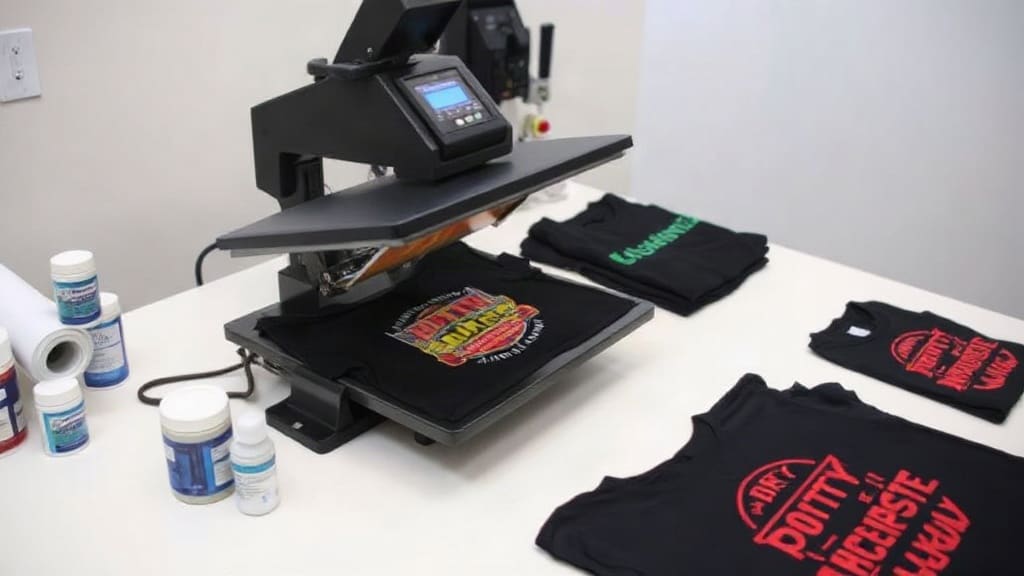
When you’re looking for DTF (Direct to Film) transfers, one of the first things you might do is search “DTF transfers near me.” It’s a natural impulse: you want to see the product, talk to a real person, and maybe get your order quickly. In this guide, I’ll walk you through the world of DTF transfers, what to consider when choosing a provider, and how to make the best decision whether you go local or online.
What Are DTF Transfers?
DTF transfers are a popular method for customizing apparel and other textiles. Unlike screen printing or vinyl, DTF involves printing a design onto a special film using a printer with white ink, then applying adhesive powder. Once the powder is cured, the film is transferred to the fabric using a heat press.
The result is a vibrant, stretchy, and durable print that works on a wide variety of materials, including cotton, polyester, blends, and even leather. Because of its versatility and ease of use, DTF has gained massive popularity among small business owners and hobbyists who want to create custom shirts, hoodies, bags, and more.
Why People Search for DTF Transfers Near Me
When you’re starting a new project or business, you might feel more comfortable working with a local supplier. You can physically inspect the quality, ask questions face-to-face, and potentially get faster turnarounds. Plus, you support local businesses, which is always a plus.
However, the search for “DTF transfers near me” doesn’t always yield the best results. Depending on where you live, you might find only a handful of options, and they might not offer the variety or competitive pricing that you can get online. So, it's important to evaluate both local and online options carefully.
Local vs. Online Providers
Let’s break down the pros and cons of choosing a local provider versus an online company for your DTF transfers.
Benefits of Local Providers
- Immediate availability: If you need a transfer today, a local shop might have ready-made designs or can produce them quickly.
- Face-to-face consultation: You can discuss your project in person and get instant feedback.
- Support local economy: You’re helping a nearby business thrive.
- Inspect quality before purchase: You can see and feel the transfer before committing to a large order.
Drawbacks of Local Providers
- Limited options: Local shops may have a smaller range of colors, sizes, or transfer types.
- Higher prices: Due to lower volume, local providers might charge more per transfer.
- Inconsistent availability: Some local shops may not specialize in DTF and only offer it as a side service.
Advantages of Online Providers
- Wider selection: Online companies often have extensive catalogs, custom design tools, and a variety of transfer types.
- Competitive pricing: With higher volume, online providers can offer lower prices per transfer.
- Convenience: You can order from anywhere, anytime, and have your transfers delivered right to your door.
- Custom design services: Many online platforms let you upload your artwork and get a proof quickly.
Drawbacks of Online Providers
- Shipping time: You have to wait for delivery, which might be longer than a local pickup.
- No physical inspection: You can’t see the product before buying, so you rely on reviews and sample orders.
- Potential communication issues: If something goes wrong, it might be harder to resolve remotely.
How to Find the Best DTF Transfers Near Me
If you’ve decided that a local provider is the right fit, here’s how to find and evaluate them.
Search Strategically
Instead of simply typing “DTF transfers near me,” use specific terms like “custom DTF transfers [your city]” or “DTF printing services [your state].” This can yield more precise results.
Check Online Reviews
Look for reviews on Google, Yelp, or social media. Pay attention to comments about print quality, turnaround time, and customer service. If a shop has dozens of positive reviews, it’s a good sign.
Ask for Samples
Before placing a large order, ask local providers if they offer sample packs or if you can see a physical example of their work. This will give you a tangible idea of the quality.
Compare Pricing
Request quotes from several local shops and compare them. But remember, the cheapest option isn’t always the best. Consider the value: if one shop is slightly more expensive but provides better quality and faster service, it might be worth it.
What to Look for in a DTF Transfer Provider
Whether you choose local or online, certain qualities indicate a reliable provider.
Experience and Expertise
How long have they been in the business? Experienced providers are more likely to handle complex designs and troubleshoot issues.
Equipment and Materials
High-quality transfers depend on good equipment and materials. Ask about the printers, inks, and films they use. Quality brands often result in better durability.
Turnaround Time
How quickly can they produce and deliver your order? If you have a deadline, you need a provider who can meet it.
Custom Design Support
If you need help with design, does the provider offer assistance? Many have in-house graphic designers who can refine your artwork for free or for a fee.
Warranty and Support
What happens if there’s a defect? A good provider should have a clear policy for reprints or refunds.
Using Online Directories and Marketplaces
If you’re open to online options, there are several ways to find reputable suppliers.
Etsy and Custom Print Platforms
Many small businesses sell custom DTF transfers on Etsy. You can browse reviews and see real examples of their work. Other platforms like Printify or Printful offer DTF services with integrated e-commerce solutions.
Social Media and Forums
Facebook groups and Reddit communities focused on printing and apparel can be goldmines for recommendations. Ask members for their favorite DTF transfer suppliers.
Trade Shows and Expos
If you attend industry events like the SGIA Expo or ISA Sign Expo, you can meet suppliers in person, see their products, and even get samples.
Step-by-Step Guide to Ordering DTF Transfers
Once you’ve chosen a provider, here’s what to expect during the ordering process.
- Prepare your artwork: Ensure your design is high-resolution (at least 300 DPI) and in the correct format (usually PNG, PDF, or AI).
- Upload your design: If using an online service, you’ll typically upload the file through their portal. For local shops, you can bring it on a USB drive or send it via email.
- Specify details: Indicate the size of the transfers, quantity, and any special instructions like color matching or white underbase.
- Request a proof: Always ask for a digital proof before they start production. This ensures the design is correct.
- Approve and wait: Once you approve, the provider will print and ship or have your order ready for pickup.
- Test a sample: For large orders, it’s a good idea to order a small test batch first to check quality.
Costs and Budgeting
Pricing for DTF transfers varies based on factors like size, complexity, and quantity.
On average, a single 8x10-inch transfer might cost anywhere from $2 to $6, but buying in bulk reduces the unit price. Some providers charge a setup fee for custom designs, while others include it in the price.
To get the best value, calculate the cost per transfer and compare it to your selling price if you’re reselling items. Always factor in shipping or travel costs.
Hidden Costs to Watch For
- Shipping fees: Some online stores offer free shipping over a certain amount, but others charge per order.
- Color matching: If you need a specific Pantone color, it might cost extra.
- Rush orders: Faster service often comes with a premium.
- Artwork setup: Some providers charge a one-time or per-order fee for file preparation.
Tips for Getting the Best Results
To ensure your DTF transfers turn out perfectly, follow these practical tips.
Use High-Quality Artwork
Blurry or pixelated images won’t print well. Always use vector files or high-resolution PNGs.
Consider the Fabric
DTF works on many fabrics, but it’s best to test on the exact material you’ll be using. Some fabrics, like heavy fleece, require different press times.
Follow Heat Press Instructions
Each transfer might have specific temperature, pressure, and time requirements. Always ask for the provider’s recommendations.
Peel Carefully
When applying, be careful with the peel method (hot or cold). Some DTF transfers require a hot peel, others a cold peel.
Wash Instructions
Tell your customers to wash garments inside out in cold water and tumble dry low to extend the life of the print.
Frequently Asked Questions
How long do DTF transfers last?
When applied correctly, DTF transfers can last for many washes. The exact lifespan depends on the quality of the transfer, the fabric, and how you care for the garment. On average, you can expect 50 to 100 washes without significant fading or cracking.
Can I use DTF transfers on dark fabrics?
Yes, DTF is excellent for dark fabrics. The white ink layer acts as an underbase, making the colors pop. Ensure your provider prints a sufficient white layer for best results.
Do I need a special printer for DTF?
DTF requires a printer that can handle white ink, typically a modified Epson printer or a dedicated DTF printer. You also need a heat press and the appropriate film and powder. If you’re not ready to invest, it’s better to order from a professional.
What’s the difference between DTF and DTG?
DTG (Direct to Garment) prints directly onto the fabric, while DTF prints onto a film first, then transfers. DTF is more versatile for different materials and often more cost-effective for small batches.
Can I do DTF transfers at home?
Yes, you can start with a desktop DTF printer and a heat press. However, there is a learning curve. You’ll need to practice getting the right powder application and curing times. Starting with a local or online provider is a good way to test the waters.
Final Thoughts
Finding the right DTF transfers provider, whether near you or online, is about balancing quality, cost, and convenience. Don’t rush into a decision. Take the time to research, request samples, and compare options. When you find a reliable partner, you’ll be able to create stunning custom products that your customers will love.
So, next time you search for “DTF transfers near me,” use the tips from this guide to make an informed choice. Happy printing!