
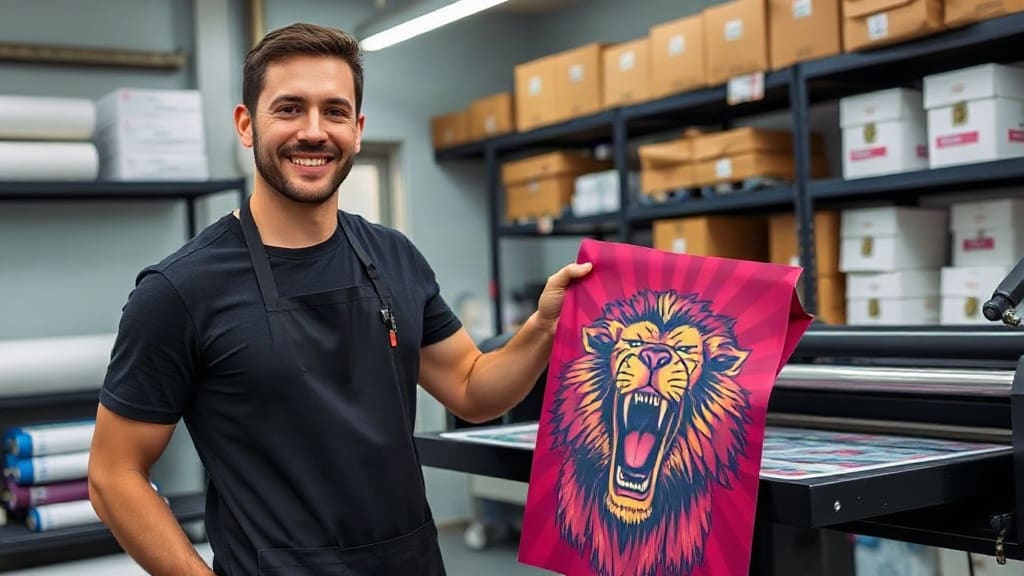
If you've been searching for "dtf transfers near me," you're likely in the custom apparel game, whether you're a seasoned printer or just starting a side hustle. DTF (Direct to Film) printing has exploded in popularity because it offers vibrant colors, excellent durability, and works on almost any fabric. But finding the right local provider isn't just about picking the closest shop; it's about knowing what makes a great DTF transfer and how to vet your options. In this guide, I'll walk you through everything I've learned from years in the printing world, so you can find a partner who delivers quality and reliability.
Why Choose Local DTF Transfer Services?
When you type "dtf transfers near me" into a search engine, you're probably looking for convenience, speed, and the ability to see samples in person. But there's more to it than that. Local shops often offer faster turnaround times, which is crucial if you have tight deadlines for orders or events. You can also build a personal relationship with the printer, which means you can get quick answers to questions and even negotiate bulk pricing. Plus, supporting local businesses is a win for your community.
However, proximity alone shouldn't be your only criteria. I've seen countless hobbyists get burned by a shop that's just around the corner but produces subpar transfers. So, let's dive into what you should actually look for.
What Makes a High-Quality DTF Transfer?
Before you start calling shops, you need to understand the basics of DTF print quality. A top-notch transfer starts with the right film and adhesive powder. The print should have vibrant, sharp colors with no banding or pixelation. When pressed onto a garment, the image should be soft to the touch, not like a thick plastic sticker. And it should withstand multiple washes without cracking, fading, or peeling.
Here are the key factors that separate great DTF transfers from mediocre ones:
- Resolution and detail: Ask about the DPI (dots per inch). A minimum of 1200 DPI is standard for crisp details, especially for small text or intricate designs.
- Color management: The shop should use ICC profiles to ensure colors match your Pantone or RGB specifications. Inconsistent color can ruin a brand.
- Adhesive quality: The adhesive powder must be evenly applied. Poor adhesion leads to peeling after a few washes.
- Film type: High-quality PET film is essential. Cheap film can cause curling or poor transfer during the press.
When you visit a local shop, ask to see a sample that's been washed at least 10 times. If they don't have one, that's a red flag.
How to Research Local DTF Providers
Your search for "dtf transfers near me" will likely turn up a list of shops, but not all are created equal. Start by checking their websites and social media profiles. Look for galleries of their work, especially on actual garments. If they only post raw transfers without showing the final pressed result, they might be hiding something.
Next, read reviews on Google and Yelp. Pay attention to comments about quality, turnaround time, and customer service. A shop with dozens of five-star reviews but a few critical ones may have issues with consistency. Also, check if they're active in local Facebook groups for printmakers or small business owners; that's often a sign of a engaged and reputable shop.
Don't hesitate to ask for referrals. If you know other apparel decorators in your area, ask them who they use for DTF. Personal recommendations carry immense weight because they come from people who have real experience.
Questions to Ask Before You Order
Once you've narrowed down your list, it's time to make some calls or send emails. Here are the questions I always recommend asking:
- What is your minimum order quantity? Some shops only accept bulk orders, while others cater to small businesses. Make sure they can handle your order size.
- What is your turnaround time? Standard is usually 3-5 business days. Rush services might cost extra.
- Can I see a printed sample? A reputable shop will provide samples, sometimes for a small fee.
- What file formats do you accept? Vector files like AI, EPS, or PDF are best. They should also offer design assistance if you need it.
- Do you offer white toner printing? DTF uses white ink as an underbase, so if your design has white parts, they should handle it automatically.
- What is your price per square foot? This is standard in the industry, but some quote per piece. Know the difference to compare accurately.
- What is your quality guarantee? If a transfer fails, will they replace it?
These questions will help you weed out amateurs and find professionals who stand behind their work.
Comparing Prices and Value
Price is always a consideration, but it shouldn't be the only one. I've seen printers choose the cheapest option only to end up with faulty transfers that ruined entire orders. When you compare quotes, look at the full picture: cost per transfer, shipping (if any), and the potential for waste. A slightly higher upfront cost can save you money in the long run if the transfers are more reliable.
Also, consider the value of time. If a local shop offers same-day pickup or a faster turnaround, that might justify a higher price, especially when you're on a deadline. Many local shops also provide discounts for repeat customers or bulk orders, so don't be afraid to negotiate.
Red Flags to Watch Out For
Not every shop that pops up for "dtf transfers near me" is trustworthy. Here are some warning signs:
- No physical address or clear contact info: If they only have a website form and no phone number, that's a risk.
- Unrealistic prices: If a quote is significantly lower than others, they're probably cutting corners on materials.
- No samples or portfolio: A shop that won't show you examples of their work may not have anything impressive to show.
- Poor communication: If they're slow to respond or vague in their answers, that's a sign of how they'll handle issues later.
- Negative reviews about durability: Pay special attention to complaints about transfer peeling or cracking after washing.
Trust your gut. If something feels off, keep looking.
Testing Your Chosen Shop
Before you commit to a large order, I recommend doing a small test run. Order a few transfers of a simple design, press them onto garments, and wash them several times. This will give you tangible evidence of the quality. Use the same pressing parameters you would for your actual orders, and check for any issues like ghosting, poor adhesion, or color shifts.
Additionally, test different fabric types. DTF works on cotton, polyester, blends, and even nylon, but some shops might not have optimized their processes for all materials. If you plan to sell to a wide range of customers, you need a provider who can handle various substrates.
Building a Long-Term Relationship
Once you find a DTF shop that meets your standards, invest in that relationship. Communicate openly about your needs, provide feedback, and pay on time. A good supplier will become a valuable partner in your business. They might even offer exclusive deals or early access to new products.
Remember that the goal isn't just to find a one-time printer, but to find a collaborator who can help you grow. So, when you search for "dtf transfers near me," think beyond the initial transaction. Look for someone who understands your brand and is committed to your success.
Final Thoughts on Finding Local DTF Transfers
Finding the right local DTF transfer provider takes a bit of effort, but it's worth it. By focusing on quality, asking the right questions, and testing thoroughly, you'll avoid costly mistakes and ensure your custom apparel stands out. So go ahead, do your search, but do it wisely. The perfect partner is out there, and now you know exactly what to look for.
Frequently Asked Questions
How do I find DTF transfer shops that are actually close to me?
Start by using Google Maps and searching for "DTF printing" or "DTF transfers." Filter by distance, and then visit their websites to confirm they offer DTF transfers. Also, join local business groups on Facebook and ask for recommendations. Many shops might not appear in the first page of search results but are active in community forums.
Can I order a small batch of DTF transfers to test quality?
Absolutely. Most reputable DTF shops accept small orders, even as low as one transfer. This is a smart way to evaluate quality without a big investment. Some may have a minimum order quantity of 10 or 20, but you can usually negotiate a sample run. Just be upfront that you're testing their services.
What is the typical turnaround time for DTF transfers?
Standard turnaround is usually 3 to 5 business days, not including shipping. Some local shops offer rush services for an additional fee, which can get your order done in 24 to 48 hours. Always ask for a specific deadline when you place your order, especially if you have an event or customer deadline.
Do I need to provide artwork in a specific format?
Vector formats like AI, EPS, or PDF are preferred because they scale without losing quality. However, most shops can work with high-resolution PNG files (at least 300 DPI). They might also offer design services to help you create or fix your files. Always ask about their file requirements before sending anything.
How much do DTF transfers cost per square foot?
Prices vary widely depending on your location, the shop's overhead, and the volume you order. On average, you can expect to pay anywhere from $1.50 to $4.00 per square foot. Bulk orders usually bring the price down. Remember to factor in any setup fees or shipping costs if you're not local.