
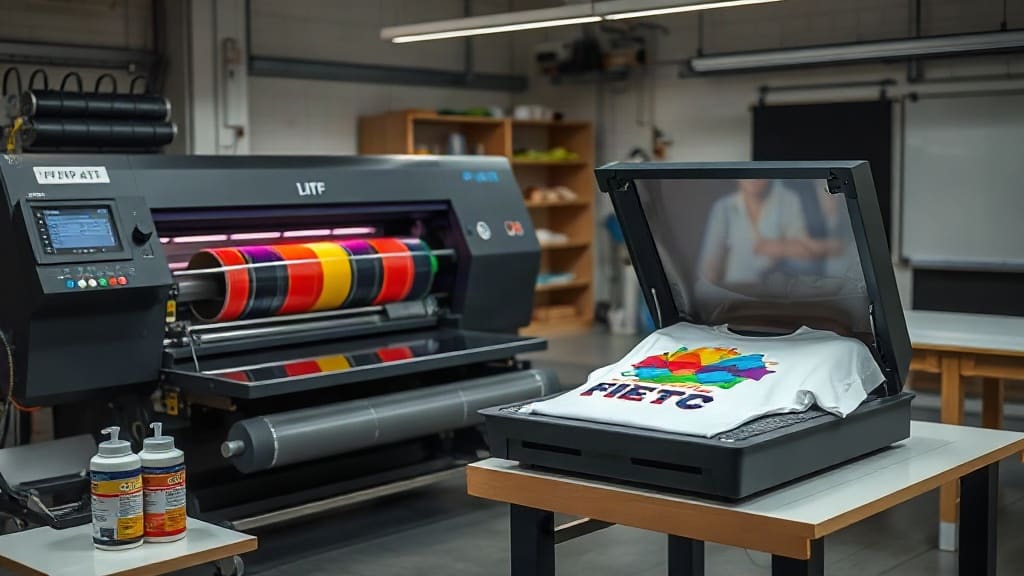
DTF printing has taken the custom apparel industry by storm, offering a versatile and cost-effective way to create vibrant designs on various fabrics. Whether you're a hobbyist looking to start a side hustle or a seasoned printer seeking to expand your services, understanding the ins and outs of DTF is crucial. In this guide, we'll dive deep into what DTF is, how it compares to other methods, the materials you need, and actionable tips to achieve stunning results.
What is DTF Printing?
DTF, or Direct to Film, is a printing method that involves printing your design onto a special PET film, applying adhesive powder, and then heat-pressing the design onto a substrate, typically fabric. Unlike traditional screen printing, DTF allows for high-detail, full-color prints without the need for screens or setup fees. This makes it an excellent choice for small batches, custom orders, and complex designs.
The process begins with a digital design that is printed onto a transparent film using a specialized printer and CMYK inks, often with white ink as an underbase. After printing, a hot-melt adhesive powder is applied to the wet ink, and the film is heated to cure the powder. When you're ready to transfer, you place the film on the garment, apply heat and pressure, and peel off the film to reveal your design.
Why Choose DTF Over Other Methods?
To appreciate DTF, it helps to compare it with alternatives like screen printing, heat transfer vinyl (HTV), and direct-to-garment (DTG). Each method has its strengths, but DTF stands out for several reasons.
Versatility Across Fabrics
One of the biggest advantages of DTF is its ability to print on a wide range of materials, including cotton, polyester, blends, nylon, and even leather. Unlike DTG, which works best on 100% cotton, DTF doesn't require special pretreatment. This flexibility opens up more product options for your business.
No Screen Setup
Screen printing requires creating a separate screen for each color, which is time-consuming and costly for small runs. DTF eliminates this step, making it perfect for one-off items, samples, and small-batch orders. You can print multiple designs in a single session without downtime.
Durability and Feel
DTF prints are known for their durability. The adhesive powder creates a strong bond with the fabric, and the prints can withstand repeated washing without cracking or fading. The feel is slightly rubbery, similar to screen printing, but many find it acceptable. With proper technique, you can achieve a soft hand feel.
Cost-Effective for Small Runs
Because there's no setup fee, DTF is economical for orders as small as one shirt. For larger quantities, screen printing may become cheaper per unit, but DTF offers a lower entry point for startups and on-demand services.
Essential Equipment and Materials
Getting started with DTF requires specific equipment and supplies. Here's a breakdown of what you need:
- DTF Printer: You can use a converted Epson or a dedicated industrial printer. Look for models that support white ink and have a robust ink system.
- PET Films: These are specialized films coated to accept ink and release cleanly. They come in different sizes and thicknesses.
- Inks: DTF inks are water-based or pigment-based, and you'll need CMYK plus white. High-quality inks ensure vibrant colors and durability.
- Adhesive Powder: A hot-melt polyurethane powder that activates under heat to bond the ink to the fabric.
- Heat Press: A heat press with adjustable temperature and pressure is essential. A clamshell or swing-away press works well.
- Curing Oven or Dryer: Some setups use a conveyor dryer or a heat gun to cure the powder after application.
How to Print with DTF: Step-by-Step
If you're ready to try DTF, follow these steps to ensure success:
- Design Your Artwork: Create your design in a software like Adobe Illustrator or Photoshop. Ensure it's high-resolution (300 DPI) and appropriately sized.
- Print on Film: Load the PET film into your printer and print the design using the CMYK mode. For light-colored garments, you might only need CMYK; for dark garments, you'll need a white underbase.
- Apply Adhesive Powder: While the ink is still wet, apply a generous amount of adhesive powder over the printed area. Use a shaker or a dedicated applicator to cover evenly.
- Cure the Powder: Gently tap off excess powder and place the film in a drying oven or use a heat gun to melt the powder. This usually takes a few minutes at around 80-100°C.
- Heat Press Transfer: Preheat your heat press to about 160-170°C. Place the film on the garment with the printed side down, apply pressure for 15-20 seconds, and then peel the film while it's still hot or cold, depending on the film type.
- Post-Transfer Care: After peeling, place a Teflon sheet over the design and press again for a few seconds to enhance adhesion and durability.
Tips for Achieving High-Quality DTF Prints
Even with the right equipment, the quality of your DTF prints depends on technique. Here are some pro tips:
- Calibrate Your Printer: Regularly perform nozzle checks and color calibrations to ensure consistent output.
- Manage White Ink: White ink in DTF can settle and clog. Shake the cartridges regularly and use a cleaning cycle to maintain flow.
- Choose the Right Film: Not all films are created equal. Test different brands to find one that adheres well and releases cleanly without leaving residue.
- Control Temperature and Pressure: Too much heat can cause scorching, while too little can lead to poor adhesion. Follow the film manufacturer's recommendations and experiment with your press.
- Pre-Test: Always do a test print on a sample fabric to check color accuracy, alignment, and washability before running a full batch.
- Optimize Your Art: For best results, design with vibrant colors and avoid fine details below 2pt, as they may not transfer well.
Common Mistakes to Avoid
Beginners often run into issues that can be easily avoided with a bit of knowledge:
- Skipping the Curing Step: If the powder isn't properly cured, it won't melt correctly during pressing, leading to poor adhesion.
- Using Too Much Powder: Excess powder can create a thick layer that cracks. Use just enough to cover the ink.
- Incorrect Peeling: Some films require hot peeling, others cold. Check the instructions and master the timing.
- Neglecting Maintenance: Clogged printheads are a major issue. Clean your printer regularly and store inks properly.
- Ignoring Fabric Composition: While DTF works on many fabrics, high-stretch materials like spandex may need special additives or lower temperatures to prevent cracking.
DTF vs. DTG: Which One Is Right for You?
If you're considering adding DTF to your business, you might also be evaluating DTG (Direct to Garment). Here's a quick comparison:
| Feature | DTF | DTG |
|---|---|---|
| Fabric Compatibility | Works on many fabrics | Best on 100% cotton |
| Setup Time | Quick, no screens | Quick, but requires pretreatment for dark shirts |
| Durability | Excellent | Good, but may fade on dark fabrics |
| Cost per Print | Lower for small runs | Higher due to ink and pretreatment |
Many businesses offer both to cover a broader range of orders. DTF is ideal for on-demand and small-batch jobs, while DTG suits larger orders of cotton garments.
Frequently Asked Questions
What is the cost of starting a DTF printing business?
The initial investment for DTF printing can range from $2,000 for a basic setup with a converted printer to $10,000 or more for industrial machines. Ongoing costs include films, inks, and powder. However, the low per-print cost makes it a worthwhile investment for many.
Can DTF prints withstand repeated washing?
Yes, when applied correctly, DTF prints are highly durable and can withstand 50+ washes without significant fading or cracking. Using high-quality materials and proper heat pressing ensures longevity.
Do I need a special printer for DTF?
While you can convert an Epson printer, it's risky and may void warranties. Dedicated DTF printers are designed with features to handle white ink and film printing, making them more reliable.
Can DTF be used on dark garments?
Absolutely! In fact, DTF excels on dark fabrics because you can print a white underbase, making colors pop. Ensure you use enough white ink and proper curing.
What is the difference between DTF and sublimation?
Sublimation requires polyester or polymer-coated substrates and works by turning dye into gas under heat. DTF uses adhesive powder and works on natural and synthetic fabrics. Sublimation is permanent on polyester but DTF offers more versatility.
Conclusion
DTF printing is a game-changer in the custom apparel world. Its versatility, ease of use, and affordability make it accessible to beginners while offering professional results. By understanding the process, investing in the right equipment, and following best practices, you can produce high-quality prints that satisfy your customers and grow your business. Whether you're just starting or looking to upgrade, DTF is a valuable addition to your printing arsenal.
Remember, practice makes perfect. Start with simple designs, test your settings, and gradually refine your technique. With patience and persistence, you'll master DTF and unlock endless creative possibilities.