
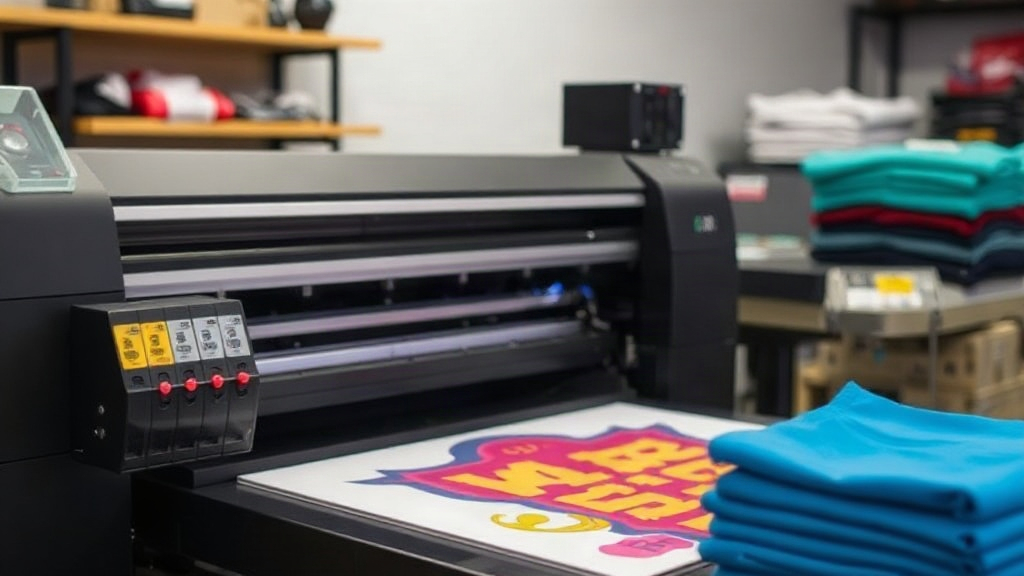
If you've been in the custom apparel game for even a short time, you've likely heard the buzz around DTF printing. Short for Direct-to-Film, this technology has quickly become a favorite among hobbyists and professionals alike for its versatility and vibrant results. Unlike traditional methods that require specific fabrics or extensive setup, DTF opens up a world of possibilities for decorating t-shirts, hoodies, tote bags, and more. In this guide, we'll dive deep into what DTF printing is, how it works, and why it might be the perfect solution for your next project.
What is DTF Printing?
DTF printing is a digital printing method where your design is printed onto a special film, coated with adhesive powder, and then heat-pressed onto the fabric. The process eliminates the need for weeding, masking, or pre-treating, making it incredibly efficient. The result is a soft, stretchable print that bonds permanently to the material. Whether you're working with cotton, polyester, blends, or even nylon, DTF transfers can adhere beautifully, offering a level of versatility that other methods struggle to match.
How Does DTF Printing Work?
Understanding the DTF process can help you appreciate its simplicity and effectiveness. Here's a step-by-step breakdown:
- Design Preparation: Create your artwork in a graphics program, ensuring it's mirrored if necessary (though most DTF printers handle mirroring automatically).
- Printing: The design is printed onto a PET film using specialized DTF inks. These inks are vibrant and durable, capable of producing photo-quality images.
- Powder Application: While the ink is still wet, a thermoplastic powder is applied evenly over the print. This powder acts as the adhesive that will bond the design to the fabric.
- Curing: The film is then heated to melt the powder, creating a smooth, dry surface. This step is crucial for ensuring the transfer's longevity.
- Heat Pressing: Finally, the transfer is placed onto the garment and pressed with a heat press at a specific temperature and pressure. Once cooled, the film is peeled away, leaving a stunning, durable design.
Why Choose DTF Printing?
There are several compelling reasons why DTF printing has gained such a loyal following. Let's explore the key benefits:
- Fabric Versatility: Unlike DTG (Direct-to-Garment) which works best on 100% cotton, DTF adheres to a wide range of materials, including polyester, cotton blends, and even treated nylon. This makes it ideal for diverse product lines.
- No Weeding Required: If you've ever spent hours weeding vinyl, you'll appreciate that DTF transfers come ready to press. This saves time and reduces waste.
- Vibrant Colors: DTF inks produce bright, opaque colors that pop on both light and dark garments. You can achieve intricate details and gradients without worrying about color limitations.
- Durability: When applied correctly, DTF prints withstand repeated washing without cracking, peeling, or fading. They stretch with the fabric, making them perfect for activewear.
- Cost-Effective for Small Batches: Unlike screen printing, which requires setup costs per color, DTF is economical for short runs and one-off designs. You can print a single transfer or hundreds with the same ease.
DTF vs. Other Printing Methods
How does DTF stack up against other popular printing techniques? Let's compare:
DTF vs. DTG
DTG printing is excellent for 100% cotton garments, but it requires pre-treatment and can struggle with polyester. DTF, on the other hand, handles both natural and synthetic fabrics with ease. DTG prints directly onto the garment, while DTF uses a transfer film, which allows for more consistent results across different materials.
DTF vs. Vinyl
Heat transfer vinyl (HTV) is great for simple designs but falls short with complex, multi-color images. Vinyl also requires weeding, which is time-consuming. DTF eliminates weeding and can reproduce full-color photographs and fine details effortlessly.
DTF vs. Screen Printing
Screen printing is cost-effective for large orders but has high setup costs and is limited to one color per screen. DTF shines for small to medium batches and designs with many colors, offering flexibility without the overhead.
Getting Started with DTF Printing
Ready to dive into DTF printing? Here's what you'll need:
- DTF Printer: Options range from entry-level models to industrial machines. Choose based on your production volume and budget.
- DTF Inks: Use high-quality inks designed specifically for DTF to ensure vibrant, durable prints.
- PET Film: This special film is available in rolls or sheets. It's crucial for transferring the design.
- Adhesive Powder: Also known as hot melt powder, this is applied to the wet ink to create the bond.
- Heat Press: A reliable heat press is essential for consistent temperature and pressure.
- Curing Oven or Heat Gun: To melt the powder, you'll need a way to apply even heat.
Many suppliers offer starter kits that bundle these components, making it easier to begin. Online communities and forums are invaluable for troubleshooting and tips.
Tips for Perfect DTF Transfers
To achieve professional results, keep these best practices in mind:
- Test Your Settings: Every heat press and fabric behaves differently. Always do a test press to dial in the right temperature, pressure, and time.
- Use Quality Materials: Cheaper films or powders can lead to poor adhesion and dull colors. Invest in reputable brands.
- Store Transfers Properly: Keep unused transfers in a cool, dry place to prevent the powder from absorbing moisture.
- Pre-Press Garments: Removing moisture from the fabric before pressing ensures better adhesion.
- Peel Correctly: DTF transfers can be peeled hot or cold, depending on the film. Follow the manufacturer's instructions.
Common DTF Printing Questions
How long do DTF prints last?
With proper application and care, DTF prints can last as long as the garment itself. They resist cracking and fading through dozens of washes. To maximize longevity, wash inside out in cold water and avoid harsh detergents.
Can I use DTF on dark shirts?
Absolutely! DTF printing uses a white ink layer base, which allows vibrant colors to show up brilliantly on dark fabrics. This is a major advantage over DTG, which often requires a white underbase that can feel thick.
Do I need a special printer for DTF?
Yes, DTF printing requires a printer that uses DTF inks and is equipped with a white ink channel. However, you can also purchase pre-printed DTF transfers from suppliers if you're not ready to invest in a printer.
Is DTF printing cost-effective for small businesses?
Definitely. DTF has low startup costs compared to screen printing and no minimum order quantities. You can print one-offs or small batches profitably, making it ideal for startups and side hustles.
What fabrics work best with DTF?
DTF adheres well to cotton, polyester, blends, and even some synthetic materials like nylon. It's always recommended to test on a swatch first, especially with specialty fabrics.
From its incredible versatility to its stunning results, DTF printing is a game-changer in the world of custom apparel. Whether you're a hobbyist looking to create personalized gifts or a business aiming to expand your product offerings, DTF offers a reliable, efficient, and cost-effective solution. Embrace the technology and watch your creativity come to life on fabric like never before.